

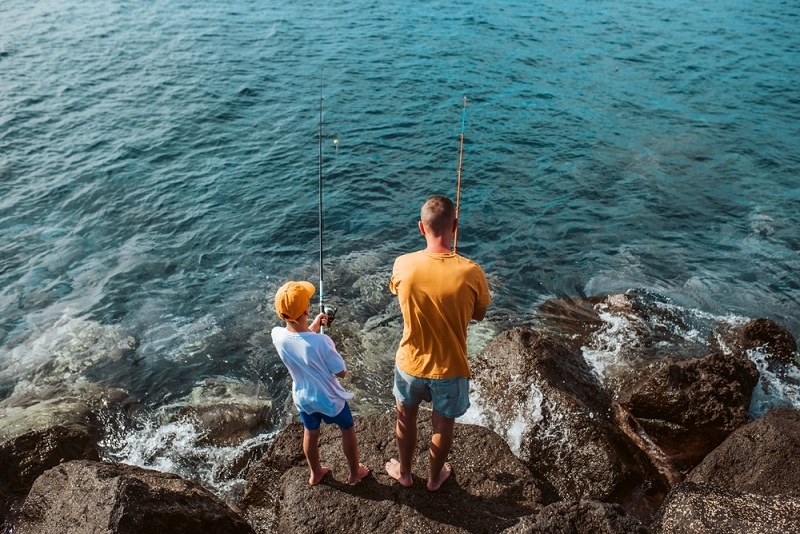
Something is thrilling about discovering a secret fishing spot that nobody else seems to know about. Fewer crowds, bigger fish, and that quiet satisfaction of earning your catch the hard way. A lot of people who like to fish go back to the public docks. The best fishing spots are often in places that people do not think about, like the quiet corners of lakes and rivers.
If you’ve ever wondered why some fishermen consistently reel in trophy catches, the answer usually isn’t luck. It’s location. And finding the right spot takes strategy, observation, and a little detective work. Let’s break it down step by step.
Fishing is an activity performed by people to catch fish. They catch fish from lakes or rivers or ponds or oceans. Fishing is a thing where people try to catch fish from these bodies of water. People go to these places to do some fishing and catch fish like the ones found in lakes or rivers or ponds or oceans.
For some, it’s a hobby. For others, it’s sport, relaxation, or even survival. When you go fishing it is not about throwing your line into the water. Fishing is really about reading the water understanding how the fish behave and picking the place to fish. You have to think about the fishing environment and what the fish like. Fishing is, about reading the water and understanding fish behavior to catch the fish.
Catching fish is not about the bait you use. The place where you go fishing is really important. However, there are different types of baitcasting techniques for fishing. Fish like to be in spots where they can find food and shelter and the water is just right for them. Fish will always gather in these spots because they have everything they need. The location is key when it comes to catching fish. Fish are usually found in areas where the water temperature's just right for them and they have plenty of food to eat.
If you’re fishing in empty water, you’re wasting time. A well-chosen secret fishing spot increases your odds dramatically. Fewer anglers also mean less pressure on fish, making them more likely to bite.
Finding fishing spots is all about using satellite mapping and Google Earth to find isolated water. You have to check structure points and drop-offs and look for weeds. You also have to target areas that're not crowded like bridge pilings and tributary junctions and back creeks. To do this you need to combine scouting with local scouting. You can use apps to help you. The important things you need are patience and curiosity. Here is how you can find these spots:
You can use maps to find small coves and inlets and shorelines that are hard to reach. These areas usually have people.
Areas that need a hike or a kayak or a small boat are usually quieter. A lot of fishermen do not like to make an effort.
You can visit lakes during peak hours and see where the crowds are. Then you can go in that direction.
The people who own bait shops may not tell you the spots, but they can give you hints about structures like submerged trees or rocky drop-offs.
Visiting lakes when fishing is slow is an idea. You can study the terrain and the water depth and the structure carefully.
Fish often gather near moving water, especially where streams feed into lakes. Secret fishing spots are about finding the right place. Secret fishing spots are where the fish are. You have to find these fishing spots to catch more fish. Secret fishing spots are the best.
When people mention hidden fishing spots, they often imagine secret coordinates passed between seasoned anglers. In reality, hidden fishing spots are simply areas most people ignore. Fish prefer structure and cover. If you find places that offer protection and a food supply, you’ve likely found opportunity. It is best to know that "hidden" doesn’t always mean "remote." Sometimes it’s just slightly out of sight. Here is how you track down a hidden fishing spot:
A learning ability to read a lake map for fishing is the strategy that one should acquire rather than guesswork. Understanding how to read a lake map for fishing can completely change your success rate. A lake map shows depth contours, underwater structures, and elevation changes. These details reveal where fish are most likely to gather. Here’s how to interpret one effectively:
Sharp depth changes often attract fish because they provide easy access to shallow feeding areas and deeper resting zones.
Points extending into the water and underwater humps act like highways for fish movement.
Old creek beds beneath lakes are prime spots since fish use them as natural pathways.
Fish feed in shallow areas but retreat to deeper water for safety.
Weed beds are really important for fish. They give food and a safe place to hide for bass and panfish. The weeds in these beds help bass and panfish have something to eat and a place to go when they are scared. Weed beds are like a home for bass and panfish.
The best secret fishing spot is not always the same. It changes when the seasons change. SO, invest in creating a seasonal finishing calendar. When you go fishing is just as important as when you catch something. where you go. In the summer fish like to swim in the water because it is cooler. In the spring and in the fall, the fish are more active in the water.
The sun, the wind, and the water temperature also affect where the fish go. If the wind is blowing onto the shore, it can bring in fish, and big fish come to eat them.
Technology has made scouting easier. Fish finders and sonar devices reveal underwater structures instantly. GPS tools allow you to mark productive areas. However, simple and smart gear like polarized sunglasses can help you see beneath surface glare, spotting movement or vegetation. Even without advanced tools, observation and consistency go a long way.
Flexibility is key. If fish aren’t biting within a reasonable time, move. Many anglers make predictable errors that lead to the potential loss of catching fish.
Finding a secret fishing spot takes observation, map-reading skills, and a willingness to explore overlooked areas. We covered how to find secret fishing spots, identify hidden fishing spots, and read lake maps effectively. Now grab your gear, scout smarter waters, and land your next unforgettable catch.
Yes, fish often return to areas with reliable food sources and shelter. Mark productive spots and revisit them during similar seasonal conditions.
Both are productive. Cooler temperatures and low light encourage fish to move into feeding zones near shorelines.
Spend at least 20–30 minutes testing different depths and bait types. If there’s no activity, consider relocating strategically rather than waiting passively.
This content was created by AI