

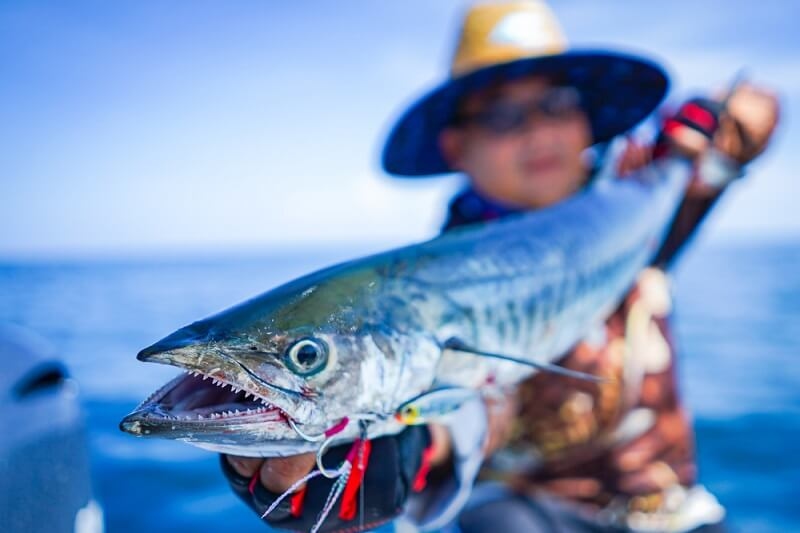
Success on the open ocean requires a mix of patience and the right Offshore Fishing Techniques. Many people wonder How To Fish Offshore when they first leave the sight of land. It is much different than sitting on a pier or a lake bank. High waves and fast currents change the game entirely. Some species that can be targeted with effective Deep Sea Fishing Techniques include tuna, marlin, and mahi-mahi. Adequate preparation and the right gear are crucial to a successful day on the water.
Trolling is a fishing technique in which a lure or bait is trailed behind a moving boat at a set speed. This method covers a lot of water and mimics the movement of fleeing prey.
Anglers find this a reliable way to locate schools of fish over vast distances. Adjusting the boat's speed helps the lure dance naturally in the wake.
Jigging requires dropping a heavy lead lure straight down to the bottom or to a specific depth. The angler then jerks the rod upward to make the metal lure flash and jump.
This approach works wonders for catching snapper, grouper, and other fish that hide near underwater structures. It takes a lot of energy but produces excellent results for those who stick with it.
As Previously Covered: Beginner Fishing Techniques That Make First Casts Feel Easy
Chumming is the process of throwing small bits of fish or oil into the water to create a scent trail. This attracts fish from far away and brings them closer to the boat.
A well-planned scent trail can turn a quiet morning into a busy afternoon. Once the fish are in the slick, they become much easier to catch with standard hooks.
Using live fish as bait is often more effective than plastic lures because of the natural vibration and scent. Keeping the bait alive and healthy in a tank is the secret to this method.
When a predator sees a real fish struggling, it is more likely to bite without hesitation. This is a favorite choice among many experts targeting large pelagic species.
Bottom fishing involves dropping a weighted line down to rocky areas or shipwrecks. It is a slow and steady process that targets fish living deep on the ocean floor.
The key to success here is knowing exactly where the structure is located. High-quality sonar helps find the spots where big fish like to congregate and hide from currents.
Kite fishing uses a literal kite to hold the bait at the surface of the water far from the boat. This keeps the line out of the water so the fish cannot see it.
This technique is very popular for catching sailfish because it makes the bait appear to be splashing on the surface. It prevents the boat's shadow from scaring the target away.
In Case You Missed It: Trolling Fishing Method Guide for Covering Large Areas Fast
Offshore gear is much stronger than freshwater equipment because the fish are larger and more powerful. Maintaining reels and rods after every trip is a necessity for longevity.
Saltwater can quickly corrode metal if it is not washed off. Taking care of the equipment ensures it will not break when a giant fish finally takes the bait.
Learning the ocean takes time and many trips away from the shore. Paying attention to the weather and water temperature provides clues about where the fish might be hiding.
Every trip is a chance to learn something new about the environment. Combining different methods often leads to the best day of fishing a person has ever experienced.
Staying safe is the most important part of any trip into deep water. Anglers should always have a plan and follow local laws regarding the size and number of fish kept.
Respecting the ocean ensures that there will be plenty of fish for the next generation. A responsible angler is a successful angler who enjoys the sport for many years to come.
Not every rod can handle the pressure of a hundred-pound fish pulling against the boat. Choosing a rod with the right action and weight capacity is a vital step for beginners.
Having the right tool for the job makes the fight much easier on the human body. A rod that is too light will snap, while one that is too heavy might be hard to hold.
On a Related Note: Shore Fishing Techniques to Maximize Catches Without a Boat
Using effective Offshore Fishing Techniques turns an average trip into a great success. By following these Deep Sea Fishing Tips and practicing different Saltwater Fishing Techniques, anyone can become a better angler. Remember to keep learning How To Fish Offshore and stay safe while enjoying the beauty of the sea.
Early morning and late evening are usually the best times for these methods. Fish tend to feed more actively when the sun is not directly overhead and the water is slightly cooler. However, certain deep-water species might bite all day long if you can find where they are hiding from the heat.
Each type of fish has unique feeding habits and lives at different depths in the ocean. Using a variety of methods allows you to target everything from surface feeders to bottom dwellers. If you only use one style, you might miss out on many other types of fish swimming nearby during your trip.
Wind and waves change how the boat moves and how the bait behaves in the water. High winds might make kite fishing difficult, while calm seas are perfect for vertical jigging. Checking the forecast helps you decide which gear to bring and which spots will be the safest to visit that day.
Yes, most of these methods are simple enough for beginners to try with a little bit of practice. Starting with basic trolling or bottom fishing is a good way to gain confidence. Over time, as you become more comfortable on the boat, you can try more complex styles like kite fishing or high-speed jigging.
This content was created by AI