

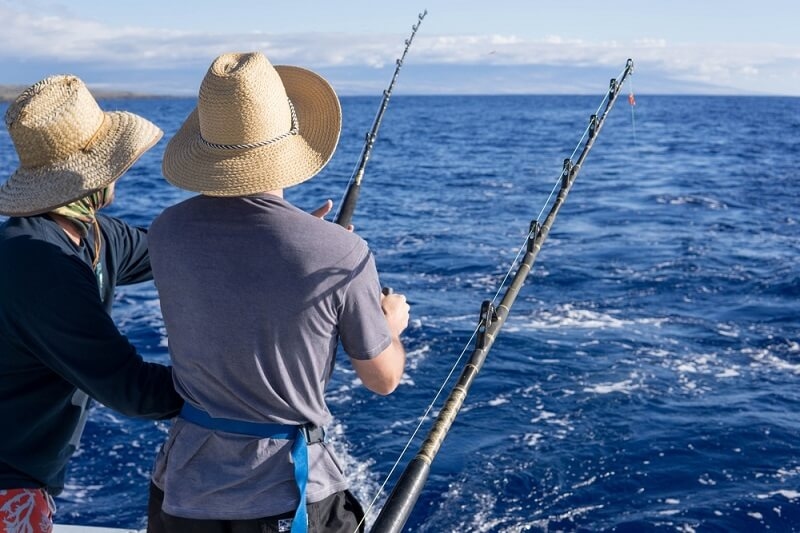
So you want to learn how to fishing. It’s a fantastic idea. Fishing gets you outside, teaches patience, and can be wonderfully relaxing. But for someone new, all the gear and terms can feel overwhelming. Here’s the thing—it doesn’t have to be complicated. This simple fishing guide strips everything back to the basics of fishing. We’re going to provide you with comprehensive how-to steps for beginner anglers on starting fishing: you’ll know precisely what you need before going into professional fishing!
Successfully catching fish starts with understanding several basic concepts. To get started, you require simple necessities, such as determining what type of fishing gear you need. Where will my prey be? And lastly, how can I present bait in the most natural way possible? While these items will play a significant role in successful fishing, for the purposes of this article, let’s focus on established beginner fishing methods that are reliable nearly everywhere.
Fishing basics form the foundation for every beginner fishing technique. Skipping these basics often leads to frustration, tangled lines, and missed chances.
Important fishing basics include
Fish usually stay near cover such as rocks, plants, or shaded areas. Quiet movement matters more than strength. Fishing basics also include safety measures, such as watching your footing, checking the weather, and protecting your skin from sun exposure.
How to start fishing becomes easier when choices stay simple. Beginner fishing techniques are most effective when used with basic gear and in calm locations.
Good beginner gear includes
Location also plays a crucial role in learning how to start fishing. Small ponds, lakes, and slow rivers are ideal. Busy or fast-moving waters make learning harder. Beginner angling tips often remind new anglers that practice matters more than catching fish right away.
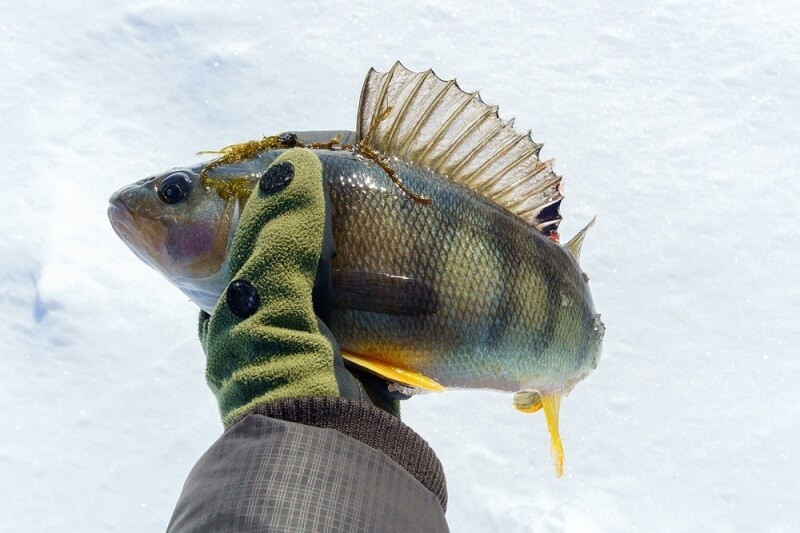
Beginner angling tips focus on developing habits rather than relying on tricks. These tips support beginner fishing techniques used by anglers everywhere.
Helpful beginner angling tips include
Beginner angling tips also encourage asking for local advice. Bait shops, signs, and park rules offer helpful guidance. Fishing rewards calm focus more than fast action, especially for beginners.
Clearly explained fishing methods help beginners choose the right approach. Beginner fishing techniques rely on just a few methods at first to avoid confusion.
Standard fishing methods explained simply
Fishing methods explained in this way demonstrate why slow movement often attracts fish more effectively. Early morning and late afternoon are usually calmer and more productive times to fish.
A simple fishing guide keeps decisions easy. Beginner fishing techniques are most effective with basic bait options.
Common bait choices include
This simple fishing guide suggests using small hooks. Smaller hooks set easier and snag less often. Matching bait size to the targeted fish helps beginners avoid frustration.
Casting is a common struggle in the early stages. Beginner fishing techniques improve casting by focusing on control instead of distance.
Casting tips for beginners
Beginner fishing techniques teach that accuracy matters more than distance. Short, controlled practice builds confidence and reduces tangles over time.
Fishing basics include understanding fish behavior. Beginner fishing techniques depend on knowing when and where fish feed.
Fish often gather
Fishing basics explain why noise and shadows scare fish. Fish tend to feed more during cooler parts of the day, making early morning and late afternoon good times to try.
Beginner angling tips often emphasize mindset. Beginner fishing techniques fail when anglers rush or get frustrated.
Helpful mindset tips include
Beginner angling tips encourage watching signs like ripples, insects, or birds. These clues often indicate the presence of active fish nearby.
A simple fishing guide helps beginners avoid errors that cause frustration.
Common mistakes include
This simple fishing guide suggests checking gear regularly. Minor fixes prevent lost fish and help beginners stay confident.
How to start fishing is only the first step. Beginner fishing techniques improve through practice and observation.
Ways to improve over time
How to start fishing well means staying curious and patient. Each trip adds experience that strengthens simple skills.
Beginner fishermen should develop a routine that remains consistent each time they go out, allowing them to feel confident and comfortable with their approach. Using a well-organized tackle box is the best way to reduce the time spent searching for gear and eliminate pre-trip anxiety. Another of the first steps is to check the rules in your area regarding who you can/cannot fish for, as these rules will vary from location to location.
Beginner angling tips suggest bringing only what is needed, as too much gear can cause distraction. A small tackle box is more effective than a large one early on. Learning to start fishing also means learning to read the water slowly, rather than rushing from spot to spot. Observing others' fishing methods can be helpful, especially near public lakes.
A simple fishing guide reminder is to clean and store gear after each trip, which keeps it working longer. Small habits like these support beginner fishing techniques, making progress feel steady and enjoyable.
Beginner fishing techniques give new anglers a clear and comfortable starting point. Fishing basics, patience, and simple tools matter most. This simple fishing guide explains how to start fishing without pressure. With beginner angling tips and fishing methods explained clearly, learning feels steady and rewarding.
Panfish, such as bluegill and sunfish, are often the easiest to catch. They are plentiful in most freshwater areas, bite readily on simple bait like worms, and are not very line-shy.
Yes, a valid state fishing license is required in virtually all public waters in the United States. It’s a legal requirement, and the funds support conservation efforts that help maintain great fishing.
First, wet your hands before touching it to protect its slimy coating. Hold it gently but firmly. To remove a hook, use needle-nose pliers. If you’re releasing it, support its body in the water until it swims away strongly.
This is often called a “backlash” or “bird’s nest.” With a spinning gear, this usually occurs when the bail is closed manually instead of by turning the reel handle, or when the line is loosely spooled. Letting the line untwist after casting can also help.
This content was created by AI