

There’s a reason so many anglers start with spinning rods. They’re light. Easy to handle. Not too dramatic or confusing. And even if you’ve never touched fishing gear before, you can pick one up and feel like, okay, maybe this isn’t rocket science after all. But once people get the hang of it, they realise there’s more depth to the technique than they expected. The charm of spinning gear lies in its simplicity mixed with real versatility. You can fish lakes, rivers, ponds, shorelines. Everything just clicks when you understand the core idea.
But to get the most out of this style, it helps to understand how the system works, what mistakes slow people down, and how to make the rod, reel, and lure work together instead of separately.
The heart of the spinning fishing method is simple. Let the lure do the work while the spinning reel helps the line glide smoothly. You cast. The lure flies out. It sinks or swims depending on what you choose. Then you retrieve in a way that mimics food. Predators see it, get fooled, and boom, you’re hooked up. That’s the basic idea. But hidden in that simple rhythm are dozens of small decisions that influence whether a fish commits or ignores you like an old voicemail.
A lot of people think spinning is “easy,” but the more time you spend doing it, the more little skills you discover. Hand-to-line coordination, tension control, flicking the bail at the right second, adjusting for wind. It’s fun, though. Almost calming once your hands catch the flow.
Every angler remembers their first setup. Sometimes it’s too long. Sometimes too stiff. Sometimes the reel feels like a coffee grinder. Mistakes happen. But learning spinning setup basics helps you avoid the stuff that makes fishing harder than it has to be.
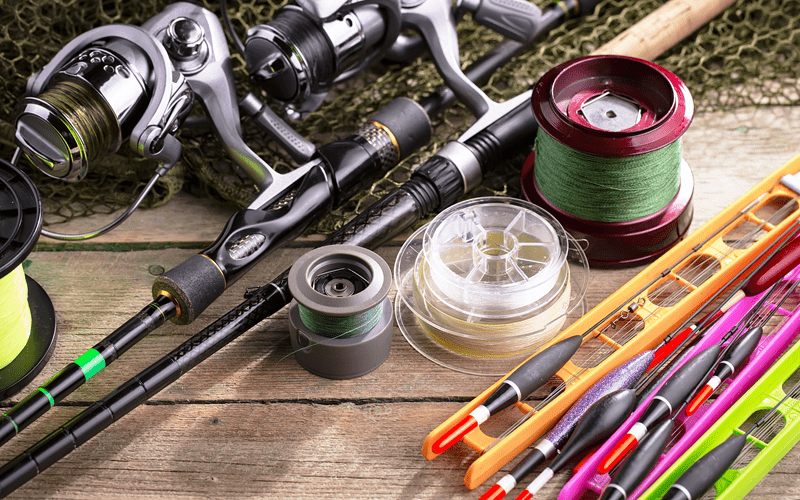
A balanced combo should feel like you’re holding one connected piece, not a rod dragging a reel behind it. Light to medium power rods work well for beginners because they cover most situations. Pair them with a 2000 or 2500 size reel. Simple. If the reel feels smooth, and the rod bends nicely without wobbling all over the place, you’re on the right track.
Also, spool your line properly. Loose coils create knots. Tight coils cast poorly. Take a moment to load it evenly, and you’ll save yourself hours of frustration later.
It’s funny how something as small as flipping the bail can change everything. With the right spinning reel tips, you avoid tangles, knots, and noisy casts. Always close the bail by hand instead of letting the reel snap shut. It puts less stress on the line and reduces twist. People ignore this, and then wonder why they’re picking out knots for half the trip.
Another tip is keeping a bit of tension on the line when retrieving. Too slack, and it wraps weird. Too tight, and it digs in. After a while, your fingers learn the right feel. Like riding a bike, just wetter.
Some days, your cast lands exactly where you want. Other days, it flies sideways like it has its own opinions. Developing reliable casting accuracy isn’t about being perfect. It’s about understanding the timing between releasing your finger and the rod loading up.
A small trick: aim slightly above the actual target. The lure drops naturally due to weight and gravity. Also, practice with lighter lures. If you can cast a tiny lure well, bigger ones feel like nothing. And don’t be embarrassed to practice in a park. Lots of anglers do it quietly so no one notices.
Once accuracy improves, you reach the pockets where fish actually hide instead of open water where nothing ever bites.
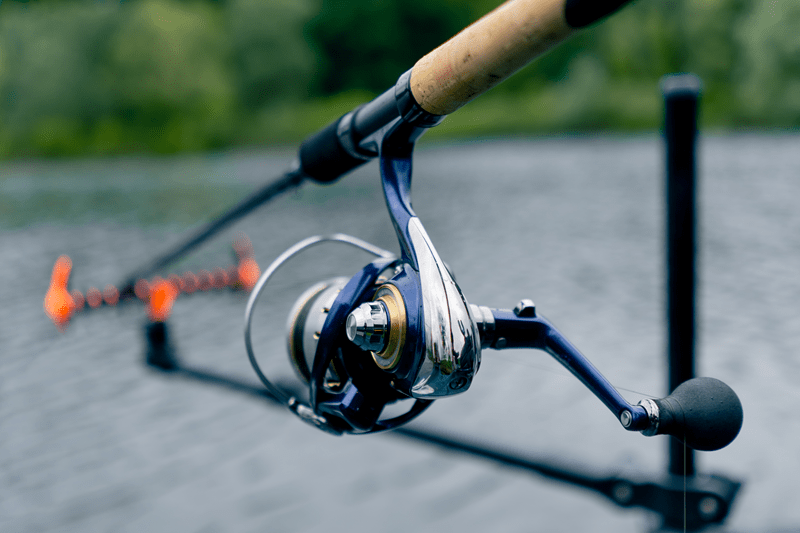
Retrieving properly is half the game. Many beginners keep their retrieve too steady. Fish rarely see food swimming in perfect straight lines. Little pauses, twitches, and hesitations create realism. That’s why varied lure retrieval techniqueshelp catch more fish.
Try a stop and go. Reel for two seconds, pause, reel again. Or use a slow roll for colder water. Or a quick burst for warmer water when fish chase aggressively. Let the lure behave like something confused or injured. Predators love that. And the fun part is experimenting. The method that works today might flop tomorrow, but trying new patterns keeps the technique interesting.
You’ll know you found the right rhythm when a strike feels sudden and heavy, almost like the rod jumped before your brain caught up.
One of the best things about freshwater spinning is flexibility. Lakes, streams, reservoirs. It works everywhere. Toss a spinnerbait near vegetation. Cast a soft plastic along the bottom. Try a topwater lure when the sun is low. Each environment has its own story. And because freshwater fish vary wildly, you learn how different species react to movement.
Bass smash aggressively. Trout react subtly. Pike go in with attitude. Crappie nibble gently like they’re testing you. The spinning technique adapts easily, which is why so many everyday anglers stick with it for life.
Sometimes the water changes. Clouds roll in. Wind starts messing with your cast. Fish move deeper or come closer to shore. Staying flexible helps more than trying to force one technique all day. Switch lure weights. Slow down the retrieve. Speed it up. Try casting from a different angle.
Small adjustments create big results. The more you pay attention to how fish respond, the faster you learn to adapt. And honestly, figuring out these tiny puzzle pieces is half the fun of fishing.
If there’s one skill that improves everything, it’s observation. Watch the wind direction. Keep an eye on baitfish jumping. Notice birds circling. Pay attention to water clarity. These clues tell you how and where to present your lure.
The spinning fishing method works best when you read the environment like a quiet conversation. Instead of forcing fish to come to you, you meet them where they already are.
Every angler has days where nothing bites. You try everything. Slow. Fast. Shallow. Deep. Still nothing. Don’t feel defeated. Sometimes fish simply aren’t feeding. Weather shifts or odd underwater activity can shut everything down temporarily.
Use these moments to fine tune your gear. Adjust drag. Check knots. Try different lures. Keep the mood light. Fishing is as much about calm patience as it is about catching fish.
Practice short casts first, then slowly increase distance. Aim slightly above the target and release the line at the right moment for natural drop.
Light to medium strength braided or mono line works well. Choose based on clarity, fish species, and how much sensitivity you prefer.
Loose spooling, slack line, and automatic bail closure cause tangles. Close the bail by hand and keep gentle tension during retrieval.
This content was created by AI