

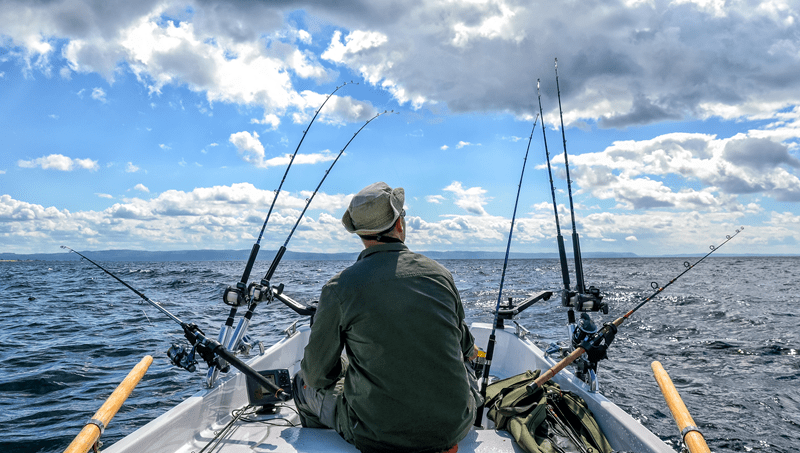
Anyone who has spent a long day on the water knows the feeling. Cast after cast. Nothing bites. Wind shifts. Sun climbs. You start doubting everything, even the lure colour. That’s when trolling shows its strength. Instead of waiting for fish to come to you, you take your bait to them. You move. You search. You cover huge distances without burning yourself out. And suddenly, one small tap on the rod turns into a bend, and the drag sings.
Trolling works because it keeps your lure moving in front of fish that might not chase something thrown once or twice. It keeps the action steady. It keeps you in the game.
At its core, the trolling fishing method is simple. A moving boat pulls a lure or baited line through the water. That motion mimics something alive. Something worth eating. And because you’re constantly on the move, you pass through multiple depth zones, currents, and fish-holding structures.
But the simple idea hides tons of small decisions. What speed works best. How deep the lure dives. Whether to use a spoon or a crankbait. Whether the fish want slow wobble or fast vibration. Every little choice shapes the result. The beauty is that you get better by watching how fish respond.
Beginners often think trolling means “drive straight and hope.” That’s not it. Real success comes from rhythm, observation, and knowing how to tweak the setup while the boat is moving.
Even experienced anglers skip the basics sometimes. But boat trolling basics form the foundation of smooth, consistent presentations. First, keep your rods at an angle that lets you watch tip movement clearly. If the rod bounces naturally, your lure is swimming correctly. If it stiffens or feels heavy, it may have snagged weeds or debris.
Another small thing that matters is steering. Wide, gentle turns help lures run clean. Sharp turns can tangle lines or cause lures to crash into one another. And if you’re using multiple rods, spacing becomes even more important. Give each line enough room so the lures run separately instead of dancing into a mess.
Boat speed, rod position, and lure distance might sound fussy at first, but once you get used to it, the whole setup feels like a smooth machine.
One of the biggest mistakes beginners make is ignoring speed. Proper trolling speed control can change everything. Too fast, and the lure spins unnaturally. Too slow, and it just drags like a sad piece of plastic.
Different species respond to different speeds. Walleye often want slow, steady pulls. Salmon prefer faster tracks. Saltwater fish can hit at surprising speeds. A small speed change can spark strikes when nothing else works. Try adjusting by 0.2 or 0.3 mph at a time. It sounds minor, but fish feel it.
Wind and current also affect the true speed underwater. If you troll with the current, you may need to speed up. Against the current, slow down. Watch your rod tip. It gives honest feedback.
Trolling shines when you’re covering large lakes or offshore zones where fish suspend at random depths. That’s where deep water fishing becomes part of the challenge. Fish don’t always stay near the bottom. Sometimes they hover mid-water chasing bait. Sometimes they roam high in the column.
Learning how your lures behave helps you reach the strike zone. Some dive naturally. Some need weights. Some work with downriggers or planers. Don’t overcomplicate things though. Start simple. Use diving crankbaits and check depth charts. The more you troll, the more you sense where fish hold.
Not hitting the right depth is one of the biggest reasons people troll all day with no success. Get depth right, and everything else becomes easier.
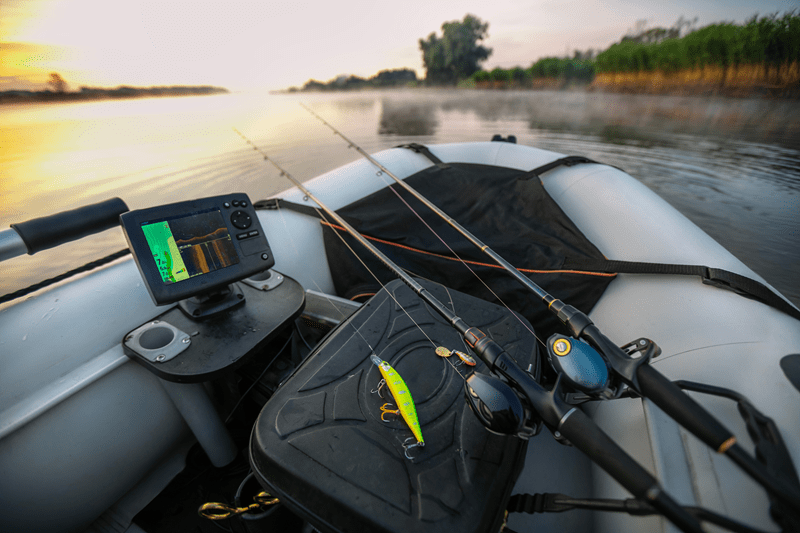
Choosing the right lure can feel like choosing clothes in the dark. Sometimes you guess right. Sometimes you laugh at yourself later. Still, lure selection trolling follows a few simple ideas.
Match the size of the local bait. If small minnows are everywhere, don’t pull giant lures. If fish are chasing big shad, go bigger. Colour matters too. Clear water likes natural tones. Murky water likes bold contrast.
Action is the real key. Slow wobble, tight wiggle, flutter, spin. Different days bring different moods. Bring a small box of options and swap them out every 20–30 minutes if nothing bites. Fish sometimes need you to “speak their language” before responding.
Your trolling setup doesn’t need to be fancy. A medium power rod with enough backbone to handle bigger fish works fine. A reel with smooth drag is important since fish often hit while the boat is moving. Line strength depends on the species, but 10 to 20 lb test is usually safe.
Rod holders help keep things organised and hands free. They hold the rod steady so you can watch the tip for strikes. And if you’re trolling multiple lines, rod holders keep the chaos under control.
Start simple and upgrade only when you understand what you truly need.
Many anglers love trolling because it teaches water faster than any other technique. You see depth changes. You notice temperature shifts. You pass through zones where fish suddenly start hitting, and before long, you know exactly where they like to gather.
When you troll long enough, patterns appear. Spots where bait collects. Edges where currents collide. Structures that consistently hold active fish. You learn the lake or coastline like a long story.
Trolling helps turn beginners into confident anglers who understand the water, not just the gear.
Strikes during trolling feel different from casting. The rod bends slowly or suddenly jerks toward the water. Your first instinct may be to grab the rod fast, but pause. Let the fish load the rod properly. Then lift smoothly. Jerky movements can pull hooks out.
Once hooked, steady pressure works best. No need for dramatic, fast reeling. The boat is already helping you move the fish closer. Enjoy the moment. It’s one of the most satisfying feelings in fishing.
Wind picks up. Light fades. Boat traffic increases. Fish behaviour changes too. Adjust speed. Change lures. Try a different route. Trolling is flexible. You’re moving anyway, so experimenting feels natural.
Fish don’t read rulebooks. Stay open, stay curious, and let the water guide you.
Around 1.5 to 3 mph works for many fish, but small adjustments make a big difference. Watch your lure action and rod tip to judge the best speed.
Sharp turns, mismatched lure depths, and rods placed too close can cause tangles. Spread rods wider and make slower, wider turns.
Not at all. A medium rod, smooth reel, and a few proven lures are enough to begin. Upgrade later based on your needs.
This content was created by AI