

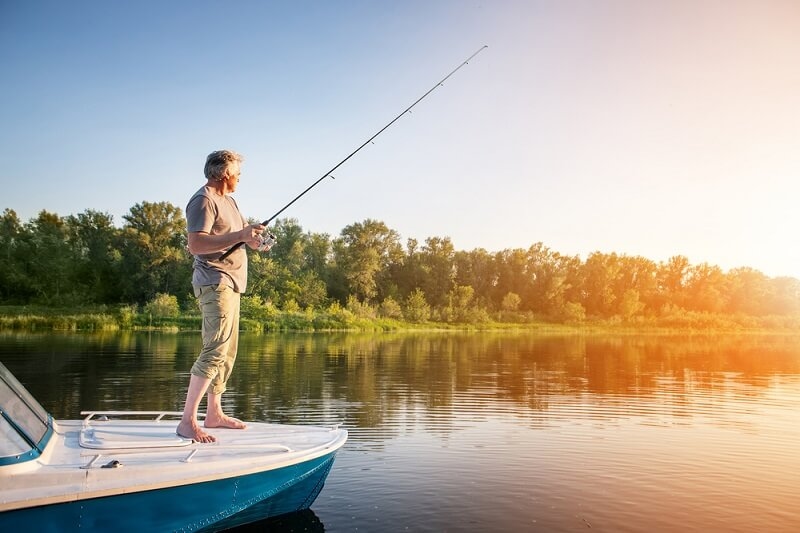
Boat fishing techniques alter how water is read and how fish are caught. Here’s the thing: Fishing from a boat adds reach and control, but only when movement and setup make sense. Early success comes from simple positioning tips, steady drift fishing basics, and a clear water depth strategy. A solid boat angling guide connects these parts so choices feel calm, not rushed. Boat fishing techniques are most effective when the boat becomes an integral part of the plan, rather than a distraction from it. What this really means is the right approach turns open water into clear targets.
Boat fishing techniques help anglers cover water that shore fishing cannot reach. Depth changes rapidly, fish move frequently, and wind never remains still. Fishing from a boat allows better angles and quieter approaches when handled well.
Key benefits of good boat fishing techniques include
Without a plan, fishing from a boat can feel disorganized. Positioning tips help keep lines in the strike zone. A boat angling guide usually starts with control, not speed. Drift fishing basics and water depth strategy shape every subsequent move.
Fishing from a boat starts with balance and awareness. Boats drift, turn, and react to wind. Learning these behaviors prevents mistakes.
Basic fishing from a boat habits include
Boat fishing techniques rely on quiet movement. Sudden starts scatter fish. A good boat angling guide always emphasizes the importance of patience. Positioning tips are most effective when the ship remains steady and predictable.
Positioning tips decide whether a lure passes fish or misses them. Boats should work with wind and current, not against them.
Helpful positioning tips include
Boat fishing techniques improve when the boat sits just outside the target zone. Fishing from a ship directly over fish often scares them away. Drift fishing basics support gentle movement into position. The water depth strategy helps choose how far back the boat stays.

Water depth strategy guides lure choice and boat placement. Fish reside at different depths based on light, temperature, and the availability of food.
Key parts of the water depth strategy include
Boat fishing techniques adapt to these changes. Fishing from a boat allows quick depth changes by drifting or repositioning. A boat angling guide often suggests starting in shallow water, then moving deeper if bites stop. Positioning tips keep lures moving at the right height.
Drift fishing basics focus on letting the boat move naturally. This method reduces noise and keeps lures flowing with the current.
Drift fishing basics work best when
Boat fishing techniques, utilizing drift fishing basics, feel smooth. Fishing from a boat becomes quieter and more effective. Positioning tips include adjusting the drift angle using small motor taps. The water depth strategy helps choose the starting depth before drifting begins.
Anchors lock the boat in place when drifting is not ideal. They help fish find specific spots longer.
Anchor use works well when
Boat fishing techniques with anchors require care. Dropping anchors loudly scares fish. Fishing from a boat quietly means lowering anchors slowly. Positioning tips suggest anchoring upwind of the target. Water depth strategy guides the selection of anchor length and placement.
Structure attracts fish because it offers both food and shelter. Boat fishing techniques focus on working the edges rather than the centers.
Common structures include
A boat angling guide teaches anglers to fish around structure, not on top of it. Fishing from a boat allows repeated casts at different angles. Positioning tips include circling the structure slowly. Drift fishing basics help cover edges evenly. The water depth strategy ensures lures stay near fish-holding zones.
Shallow-water fishing from a boat requires extra care. Fish see and hear better here.
Important shallow water tips include
Boat fishing techniques in shallow water reward stealth. Positioning tips stress staying back and casting forward. Drift fishing basics can be practical when the wind remains light. Water depth strategy focuses on inches, not feet.
Deep water demands patience and accuracy. Fish often sit still and react slowly.
Effective deep-water habits include
Fishing from a boat shines in deep zones. Boat angling guide advice often centers on control. Positioning tips keep the boat aligned with depth changes. Drift fishing basics may shift to controlled drifting. Water depth strategy becomes more precise here.
Wind and current rarely move the same way. Boat fishing techniques adjust to both forces.
Helpful adjustments include
Fishing from a boat improves when the forces are balanced. Positioning tips reduce tangled lines. Drift fishing basics depend on steady movement. Water depth strategy changes as wind pushes fish deeper or shallower.
Safety supports confidence. Boat fishing techniques fail when safety is ignored.
Basic safety habits include
Fishing from a boat feels better when risks stay low. A boat angling guide always includes safety. Positioning tips also reduce risk near rocks or shallow areas. Drift fishing basics require watching the surroundings. Water depth strategy helps avoid grounding.
Mistakes slow learning. Avoiding them speeds success.
Common errors include
Boat fishing techniques improve with awareness. Fishing from a boat often requires adaptation. Positioning tips help fix mistakes quickly. Drift fishing basics fail when speed gets ignored. Water depth strategy needs frequent adjustment.
Boat fishing techniques feel complex at first. Over time, patterns appear. Boats respond predictably. Fish behavior becomes clearer.
Fishing from a boat improves with repetition. Positioning tips become instinct. Drift fishing basics feel natural. Water depth strategy becomes quicker to adjust. A strong ship angling guide mindset values learning over rushing.
Boat fishing techniques enable anglers to control water depth and movement. Using smart positioning tips, steady drift fishing basics, and a clear water depth strategy makes fishing from a boat more effective. A simple ship angling guide approach builds confidence, improves catches, and keeps each trip calm and rewarding.
Slow drifting works well because it feels natural and easy to control.
Positioning tips are crucial, as incorrect angles can quickly reduce the number of bites.
Drifting works best when the wind or current gently moves the boat, allowing it to float smoothly.
Fish move with light, food, and temperature, so depth must adjust too.
This content was created by AI