

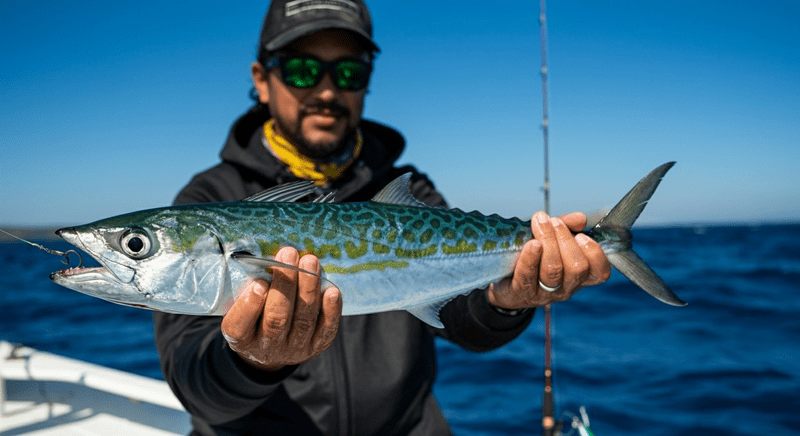
There’s something different about standing near the ocean with a rod in your hand. The wind hits your face. Waves keep rolling in. And somewhere beneath that blue surface, a strong predator is cruising. It feels unpredictable in the best way. Maybe that’s why anglers keep coming back to the coast. Saltwater fishing has this wild charm. You never fully know what you’re about to hook into.
But picking the right place matters. Some ocean fishing locations are loaded with life. Others look perfect but stay surprisingly quiet. A little research and a lot of curiosity go a long way. That’s where this guide helps. It breaks down the most reliable saltwater fishing spots and how to fish them without overcomplicating things.
Every coastline has secret pockets of activity. Some look ordinary until the tide shifts. Others are famous for hosting giants. The trick is recognising patterns in tides, structure, and bait movement. If those three elements line up, you usually find something worth fighting.
In many coastal fishing areas, fish follow predictable feeding routes. They move around jetties, reefs, inlets, bridges, and drop-offs. These areas concentrate bait, which means predators stay nearby. Simple rule: if baitfish gather, bigger fish don’t stay far behind.
You don’t always need a boat. Many anglers underestimate shore fishing ocean access, but some monsters come surprisingly close to land. Beaches, piers, cliffs, and river mouths act like natural funnels. They carry nutrients and baitfish right into the strike zone.
A few practical reminders help here:
Shore fishing is not only accessible. It’s exciting. Something about standing barefoot in the sand while a powerful fish bends your rod feels almost personal.
Across the US and beyond, certain regions repeatedly show up on saltwater bucket lists. Florida is an obvious one. Huge tarpon, snook, redfish, and sharks. The Gulf Coast holds speckled trout and bull reds. The Northeast produces striped bass that hit like trucks. Out West, California surf anglers chase halibut and corbina.
But even smaller local areas can surprise you. Sometimes a forgotten jetty ends up producing your new personal best. That’s why exploring matters. You learn quickly that great saltwater fishing spots are not always famous. They just need structure, current, and food.
Saltwater fish rarely sit still. Tides control everything. Moving water brings oxygen, bait, and scent trails. Slack tide, when everything stops, often slows activity slightly. Rising tide? Fish push closer to the shoreline. Falling tide? They gather around deeper pockets waiting for bait to flush out.
Checking tide charts before heading out increases your odds more than fancy gear ever will. Some anglers even build their entire schedule around tide flow instead of time of day. It sounds intense, but once you see how dramatically fish respond, it makes sense.
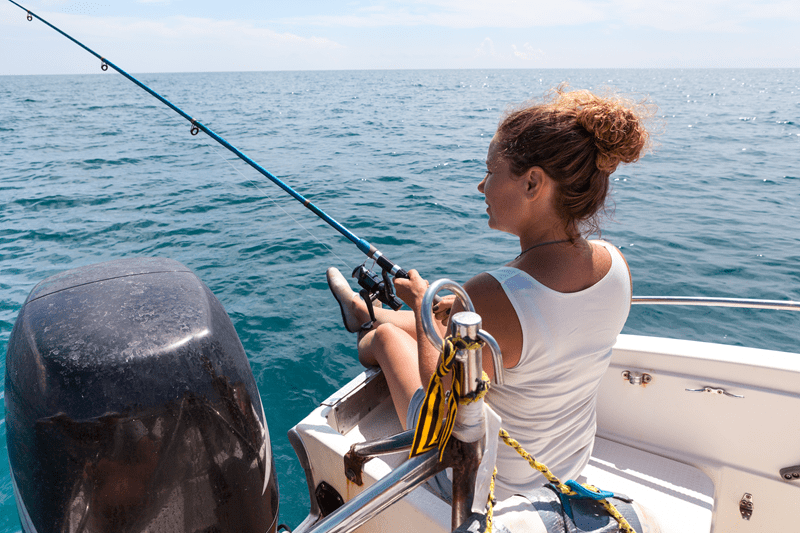
A quick saltwater species guide helps explain what makes coastal fishing so thrilling. Saltwater predators come in all shapes and personalities. Some fight deep. Some jump. Some run sideways toward rocks just to test your reflexes.
Popular species include:
If you learn the behavior of each species, you start predicting where they hold. Redfish love shallow flats. Stripers follow schools near rocky structure. Tarpon glide along bridges and channels. Understanding this saves time and leads you straight to productive water.
New anglers often bring freshwater habits to the sea. It’s understandable. But saltwater demands stronger gear and smarter setups.
A few common mistakes:
Even simple saltwater angling tips like rinsing gear after every trip help extend the life of your equipment. Saltwater is unforgiving. Treat it with respect, and your gear stays reliable.
This might sound unrelated at first, but seasonal colors matter more than anglers think. Water clarity changes throughout the year. Some months bring algae blooms. Others bring crystal-clear stretches. Light levels shift too.
Fish react to these conditions. Bright lures might work in murky water but look unnatural in clear water. Muted lures shine when predators can see every detail.
Being flexible with your approach keeps you ahead. Never assume the same lure color works every season.
Fish love structure. Jetty rocks. Dock pilings. Bridge shadows. Reef edges. Anything that breaks the current creates feeding lanes. Structure concentrates life.
When approaching structure:
Mastering structure makes even average saltwater fishing spots feel loaded with potential.
Some anglers love traveling just to chase new species. States like North Carolina, Texas, Massachusetts, and Florida offer spectacular opportunities. But smaller towns with fewer crowds often produce more peaceful experiences.
Traveling teaches patience. You might not catch a trophy on your first cast. But stepping onto a new beach with a rod in hand gives a sense of adventure that feels timeless.
Saltwater fishing keeps you humble. Even when you think you’ve mastered everything, the ocean throws something new. A sudden school of bait erupts. A giant fish hits when you’re half distracted. Or a small wave drenches your gear at the worst moment. That’s just part of the fun.
Being prepared with enough bait, backup rigs, pliers, and sunscreen makes disasters smaller. And sometimes the unexpected becomes your best story.
Early mornings and evenings often produce the most action, especially around moving tides that push fish closer to feeding zones.
Not at all. Many anglers catch huge fish from beaches, piers, and jetties. Shore fishing ocean access can be surprisingly productive.
Tides control bait movement and water flow. Incoming and outgoing tides usually trigger feeding, while slack tide can slow activity.
This content was created by AI