

Finding fishes is one of the most difficult tasks for anglers in the US. Most new anglers depend on gear, bait, or luck, but experienced anglers understand the secret of finding fishes lies beneath the surface of bodies of water. Learning about different kinds of habitats for fishes is one of the most effective methods of finding fishes faster and boosting your chances of success. Fishes are not found equally in bodies of water; they prefer environments that suit their requirements of food, shelter, oxygen, and reproduction.
This fish behavior guide will give you an understanding of the different kinds of environments fish can thrive in that can be found throughout America, how freshwater habitats and saltwater habitats differ, and how aquatic ecosystems affect fish distribution. You will also find useful observations about fish behavior and fishing location advice that can be put into effect immediately.
Each species of fish has adapted to succeed under certain circumstances. Fish habitats can be defined by several factors, including water temperature, depth, structure, currents, and the availability of food. By knowing the types of fish habitats, fishermen can fish on purpose rather than fishing blind.
Various water environments will have different food chains. A weedy pond will attract species that will feed on bugs and small bait fish, whereas rocky reefs will attract predators searching for schools of forage fish. This is like reading a map that points directly to fish.
Here are a few fish habitat types to consider.
Freshwater habitats include lakes, rivers, streams, ponds, and reservoirs. These ecosystems are characterized by low concentrations of salt and home to a variety of popular game fish found within the U.S., such as bass, trout, catfish, crappie, and walleye. Knowledge of freshwater habitats and usage by fish will greatly reduce time to locate actively feeding fish.
Lakes/ponds are another very common fish environment within the U.S. The fish in these waters depend greatly on structures like:
Such factors serve as cover and lure prey. Fish populations in freshwater biomes like lakes tend to migrate to deeper waters during the hot summer season or populated in shallower regions in spring and autumn.
Tips for fishing location: Target transition zones, where shallow water meets deep water. Fish tend to follow these pathways naturally.
Water in motion produces distinctive types of fish habitats, depending on the velocity, depth, and oxygen availability. In riverine environments, the fish tend to take up a location that saves energy and is near food sources.
These are key riverine habitats:
Some of the fish that live in freshwater habitats that include rivers usually swim upstream in order to wait for food that drifts towards them. Such fish habitats offer one of the best environments where one can utilize the fish behavior guide.
Fishing spot secrets: Cast your line upstream and let your bait drift down into fish-holding areas.
Artificial reservoirs possess both lake and river properties. Fish habitat varieties like old river beds, underwater trees, and flooded roads are created in the reservoirs.
The change in water level between seasons highly impacts fish migration in reservoirs, thus making knowledge of habitats imperative for success.
Saltwater habitats are large and diverse. These range from shallow flats to deep waters. Recognizing types of fish habitats in the sea helps fishers identify areas where to fish rather than casting their lines into an apparently endless sea.
Estuaries, where freshwater and saltwater mix, rank among the most productive bodies of water. Estuaries provide nutrients for baitfish, shrimp, and crabs. The nutrients lure redfish, snook, flounder, and striped bass.
The shallow flats may warm up quickly, making them ideal feeding grounds during colder periods. Fish hide and hunt from grass beds and oyster bars.
Fishing location advice: Areas where the water is moving during tidal changes are ideal, as this causes fish to become active due to food being washed in by the currents.
Natural reefs and man-made reefs are considered traditional fish habitats in salt-water environments. Smaller fish are lured by the reefs, which are then followed by large predators like snapper, groupers, and amberjack.
Rocky shorelines also serve as crevices or ledges where fish can hide from predator attacks or strong currents.
Fish behavior guideline insight: Predator fish will commonly roam along the boundaries of a reef system rather than on top of it.
In offshore saltwater environments, fish can be associated with areas of temperature change, floating debris, weed lines, and seamounts. Such fish include tuna, mahi-mahi, and marlins, which migrate through these areas in pursuit of baitfish schools.
Even though the open ocean appears to be empty, it has unseen habitats for fish that exist because of currents and water.
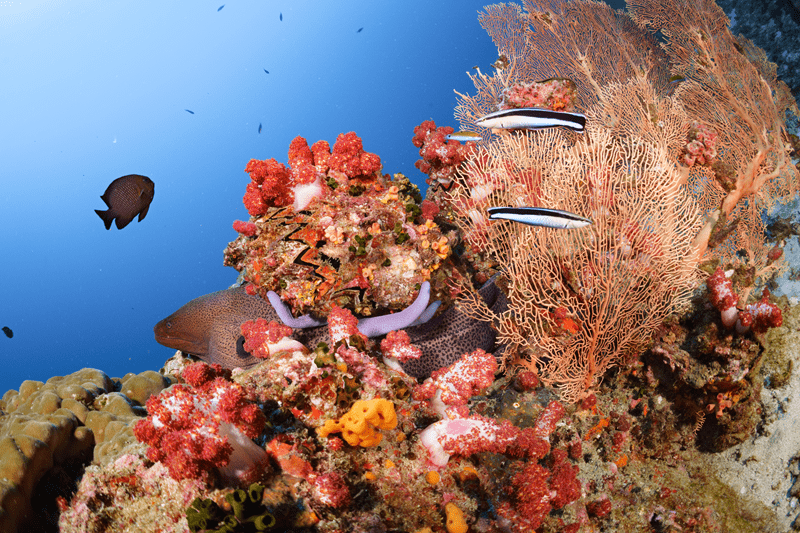
Each fish environment has its ecosystem within which it thrives. Aquatic environments consist of vegetation, insects, plankton, bait fish, and predators that interact in an ecosystem that is well balanced. A well-balanced ecosystem indicates the presence of healthy fish populations and large fish sizes.
As anglers, it is important to pay attention to the signs of life. That could be the diving of birds, the flickering of the bait schools on the top of the water, or the emergence of insects. Fish will move where the food is in both freshwater and saltwater environments.
Knowing how aquatic ecosystems work also helps one understand why one finds different levels of fishing success during different seasons. Fishing success will depend on the changes in temperature levels, affecting plant growth, which in turn changes the location of fish.
A good guide on fish behavior should always start with habitat. Fish behaviors are mainly survival behaviors, and this is made possible by the habitats in which fish exist.
Main behavioral patterns include:
In freshwater environments, bass tend to migrate into shallow water to spawn in the spring and into deeper water in the summer. In a saltwater environment, a lot of fish migrate along the coast in search of bait.
By using habitat to guide fish behavior, anglers can foretell fish movement instead of waiting for it to happen. Locate a fishing spot near a “hump” which is a transition.
Regardless of the body of water you choose to fish at, using habitat-related tactics will save you time and increase your success. These fishing location tips can be applied at any kind of fish habitats:
In freshwater or saltwater habitats, the angler with habitat knowledge always outperforms the angler with random chance.
Different species like inhabiting different types of fish habitats even in the same water body. For instance:
Knowledge of the species and preferred habitats will enable identification of where to concentrate efforts and which methods to employ.
Catching fish rarely involves luck. It involves knowing what goes on below the surface of the water. To become expert anglers, it is essential for fishermen to understand how types of fish habitats work and how fish interact with freshwater habitats, saltwater habitats, and aquatic ecosystems.
Use your knowledge of habitat as your fishing behavior secrets Bible and incorporate effective fishing location secrets and you will search less and land more. Whether fishing a quiet lake in the Midwest or a swift river or even out on the Atlantic coast, understanding how to read your body of water from a habitat perspective will help you search shorter and fish smarter.
Fish habitats help decide where fishes live, where they can source their diet, and where they can take refuge. Fish will always migrate to a habitat that has food sources, protection, and favorable water conditions. Knowing how various habitats for fish work in a water ecosystem will help fishermen know where the fishes are instead of just fishing in the blind.
Fish behaviors differ greatly from freshwater environments to saltwater environments. Fish in freshwater may associate closely with visible features like weeds, logs, and shore. Fish in saltwater may be associated with tide, current, reefs, or temperature. Utilizing a fish behaviors guide that takes these factors into consideration will aid an angler in using the appropriate guide on the information on where to fish.
For someone who is new to the sport, the greatest tip about good fishing spots will involve focusing on structure and the transitions related to different habitats and various zones of depth and proximity to habitats that are identified by the presence of life. All these are essentially involved in finding feeding fish within freshwater and saltwater habitats.
This content was created by AI