

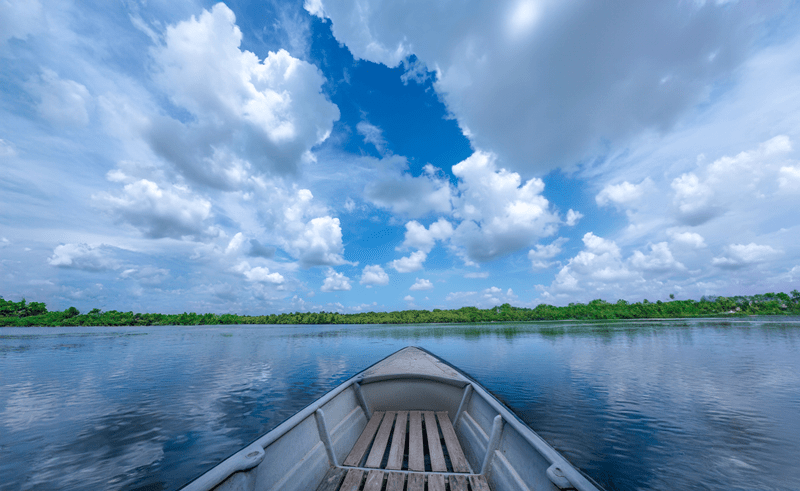
Freshwater fishing is arguably the most fun of the outdoor activities in which one can generally participate. With their peaceful waters, easy access, and great variety of fish species, lakes are just the right places to both learn and relax.
This guide sheds light on the operation of fishing lakes, their fish inhabitants, and how beginners can achieve higher success through some efficient and handy techniques.
Freshwater fishing lakes stand out among other options as the most suitable places for angling beginners. Casting, bait control, and line management are pretty much the same skills as one can do in a river, but with no or just a very slow current, these tasks become a lot easier.
Convenience is another good reason to choose lakes for fishing. There is usually no problem for the fishermen to walk down to the shore and set their lines. The availability of picnic areas, fishing piers, and smooth walking paths makes the weekend trips both comfortable and relaxing.
By knowing what kind of lake fishing species there are, an angler will be able to use the right bait, the right gear, and choose the best fishing spot. Generally, lakes have fish that are quite a mix of those that can live in the calm, still water of nature. Even though the fish species differ from one place to another, many lakes across the US share the same fish populations.
Common lake fishing species are:
Identifying the fish you can catch in a lake will help you prepare your gear and let you have a fruitful day out instead of a frustrating one.
Lake fish are not the ones that can be found anywhere and everywhere. They are largely dependent on lake fish habitat for food, shelter, and suitable water temperature. Places near the shore are usually warmer, and it’s quite common these days to find weeds growing here that are providing both food and shelter for insect larvae and fish fry. These places are feeding grounds most of the time, especially in spring and at the beginning of summer.
The deeper water is providing the fish with a cool place during the hot days and also protection in the cold season. Fallen trees, weed beds, docks, and rocky areas are structures that the fish use as a safe haven from where they can also watch and rest. Drop-offs, where shallow water suddenly turns into deep, are the perfect spots for fish.
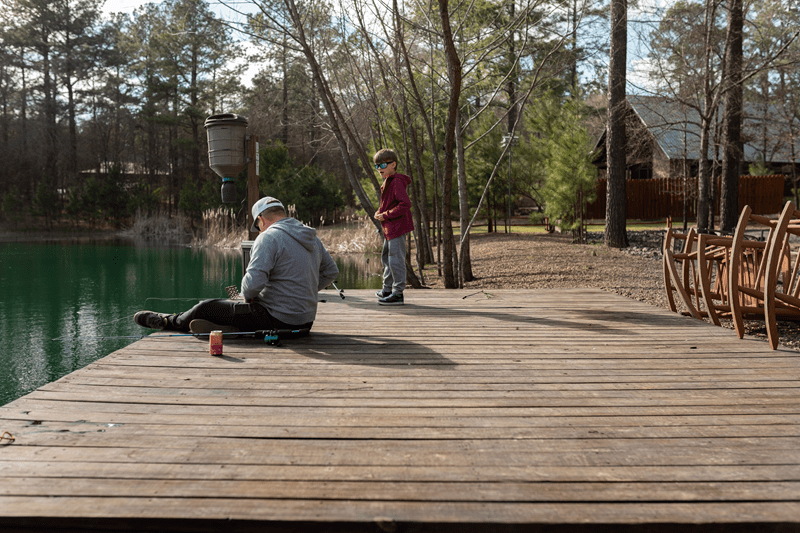
Every fisherman, before going out, should at least know a handful of fundamental rules that predominantly pertain to lake fishing. One should keep in mind the importance of simple gear. Most of the time, a spinning rod and reel with medium or light action is the perfect choice for a number of species. Monofilament fishing line is a nice beginner-level solution that does not punish one for mistakes.
Besides that, a quite basic tackle box would also consist of hooks, sinkers, bobbers, and a small selection of lures. Using live bait, such as worms and minnows, is a piece of cake and works well for most fish. Never take for granted local fishing laws and properly have in mind licenses, size limits, and catch rules before starting fishing.
Knowing these basics of freshwater angling will not only encourage the beginners and give them the guts, but also, more importantly, it will put them in a position to spot fish behavior rather than gear handling.
Although lakes are considered still water environments, fish movement is not entirely random but is affected by light, temperature, and food availability. Still water fishing tips that have been tested and proven can be a great help, especially for beginners who may be feeling a bit lost as to where to cast their line.
Some helpful still water fishing tips are:
By implementing these dull water fishing tactics, fishermen can comfortably adapt to the fluctuation of the environment and not suffer from losing spirit.
Knowing where to find the best lakes to fish is a function of one’s skill level, physical location, and fishing goals. For starters, the ideal fishing waters should be convenient to approach and have an abundance of fish. To inform the public about different fishing locations, the respective state departments of wildlife usually maintain websites that contain details about various lakes, such as species reports and access points.
In most cases, smaller lakes and ponds are easier for beginners because finding fish won't be that challenging. On the other hand, big lakes have more diverse fish but may take a lot of time and effort to explore fully. Places like parking lots, restrooms, and fishing docks can turn weekends into great, hassle-free trips.
Seasonal changes have a major impact on the behavior of fish in lakes, which are the main source of freshwater fishing. In spring, fish migrate to shallow waters to spawn; thus, they can be easily caught from the shore.
Knowing the seasonal patterns of fish helps anglers to change their tactics and get better results all year round.
Fishing responsibly is one of the ways to ensure that there will always be lakes for freshwater fishing. No doubt, you have to do catch and release, in particular, with big reproductive fish and with those that are rare. If you happen to have fish, handle them in a gentle way, return them to the water as much as possible, and release them quickly.
Also, make sure that you always tidy up after yourself and that you are respectful of signs and fishing rules. Healthy lakes offer great fishing experiences to everyone.
Bass fishing in freshwater lakes is an excellent way to relax, level up, and connect with nature. In this way, beginners and weekend fishing enthusiasts by studying the fish species in the lake, understanding the fish habitat, and following the basic fishing rules can become proficient gradually.
With time, patience, and a love for nature, fishing in freshwater lakes will provide you with great times and unforgettable moments for years to come.
Definitely, because they have calm water, are easy to get to, and have a great number of fish species that are perfect for beginners.
Bluegill, along with other panfish, are some of the easiest kinds of fish to catch since they are very attracted to the bait.
No, there are plenty of lakes that offer great shore fishing, docks, and fishing piers.
In most cases, early morning and evening are the hours when the majority of species are most active and thus the most productive ones.
This content was created by AI