

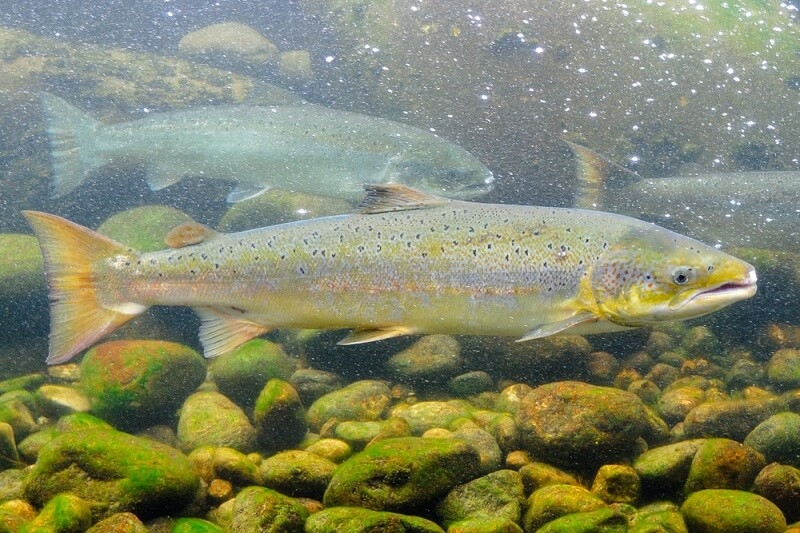
Salmon migration patterns shape how rivers work, how fish survive, and how fishing seasons make sense. Here’s the thing: salmon do not move at random. These fish follow clear paths between oceans and salmon rivers, guided by instinct and survival needs. At first glance, salmon migration patterns are closely linked with the salmon spawning cycle and seasonal salmon fishing.
A helpful guide to Pacific salmon always starts with movement, timing, and location. Salmon fishing locations depend on when and where fish travel, not just luck. What this really means is understanding movement helps everyone, from learners to serious anglers.
Salmon migration patterns describe the long journey salmon take from birth to adulthood and back again. Most salmon hatch in freshwater, move to the ocean, then return to the same salmon rivers to spawn. This cycle repeats across generations, even when obstacles exist.
Key parts of salmon migration patterns include
This movement is guided by smell, water flow, and temperature. A Pacific salmon guide often explains that salmon can sense tiny chemical signals from their home streams. That ability helps them find exact salmon fishing locations later in life. Without these patterns, salmon populations would not last.
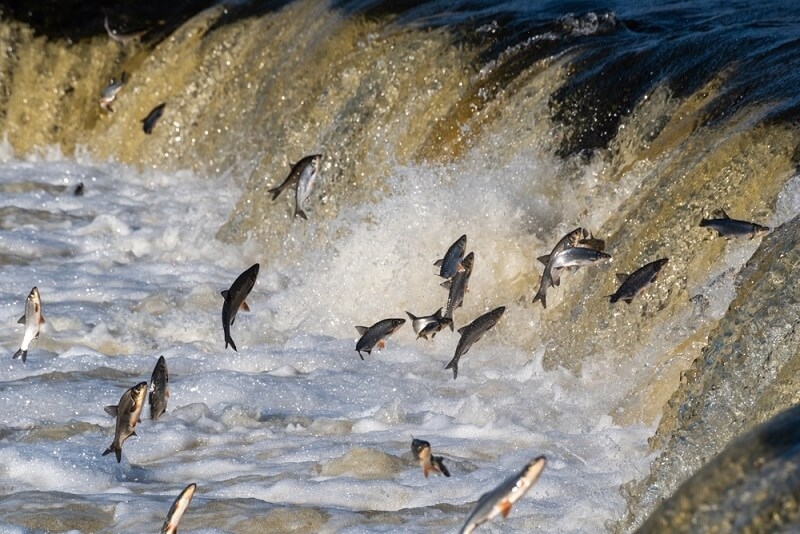
Salmon rivers are more than water paths. They act as nurseries, highways, and final destinations. Healthy rivers support every stage of the salmon spawning cycle.
Essential features of salmon rivers include
When rivers undergo significant changes, the migration patterns of salmon become disrupted. Fish may arrive late or not at all. Seasonal salmon fishing depends heavily on river health. Strong salmon rivers result in predictable runs and improved fishing outcomes. Salmon fishing locations near river mouths often benefit first when migrations begin.
The salmon spawning cycle is the reason migration exists. Salmon return to freshwater to lay eggs where they were born. After spawning, many species complete their life cycle.
Main stages of the salmon spawning cycle include
This cycle is closely tied to salmon migration patterns. Timing matters. If salmon arrive too early or too late, eggs may not survive. A Pacific salmon guide often notes that spawning timing matches seasonal water conditions. Salmon fishing locations typically peak before spawning begins in full.
Seasonal salmon fishing is most effective when migration timing is well understood. Salmon do not move upstream all year. They follow seasonal signals tied to daylight and water flow.
Seasonal salmon fishing patterns often include
Knowing these phases helps reduce guesswork. Salmon migration patterns explain why one week feels slow, and the next feels busy. Salmon fishing locations shift as fish move inland. Rivers, estuaries, and coastal zones each shine at different times.
Salmon fishing locations typically follow the path of the salmon's migration. Fish are not evenly spread. The group where travel slows, or conditions feel safe.
Common salmon fishing locations include
A Pacific salmon guide often emphasizes the importance of patience and observation. Birds' feeding and surface movement signal fish presence. Salmon migration patterns help predict where fish pause during travel. Seasonal salmon fishing success improves when locations match the migration stage.
Pacific salmon guide resources often focus on species differences. Not all salmon migrate the same way or at the same time.
Common Pacific salmon types include
Each species follows unique salmon migration patterns, but all rely on salmon rivers for spawning. The salmon spawning cycle varies slightly by species, which affects the timing of the seasonal fishing windows for salmon. Salmon fishing locations adjust based on which species is running.
Salmon migration patterns respond strongly to environmental changes. Rainfall, snowmelt, and temperature shifts all play roles.
Key influences include
Salmon rivers that rise after rain often see sudden runs. Seasonal salmon fishing improves after these changes. A Pacific salmon guide typically emphasizes monitoring water conditions over calendars. Salmon fishing locations change fast when rivers swell or drop.
Human activity affects salmon migration patterns more than many realize. Changes to rivers alter travel routes and timing.
Common impacts include
These changes hamper the salmon spawning cycle. A stressed fish may arrive or fail to reach its spawning grounds. The seasonal salmon fishing opportunity will be less predictable. Conservation success will restore salmon habitat, allowing the salmon to maintain their migration pattern. Healthy rivers benefit both salmon and the communities that depend on salmon.
The angler who knows where the salmon are going to go will tend to fish better than one who doesn't understand salmon migration.
A few good practices for successful catches include:
A good sportfishing guide will teach you the value of being patient; it is better to wait for the fish to return to a particular area rather than fish all day long at the wrong place. Seasonal salmon fishing will reward those who research salmon patterns, rather than fishermen who chase after rumors.
Education keeps salmon traditions alive. Teaching kids about salmon migration patterns builds respect for nature.
Simple lessons include
When people understand the journey, they value protection more. Salmon fishing locations become shared spaces, not just harvest zones. A strong Pacific salmon guide always includes respect for limits and seasons.
Salmon migration patterns connect the oceans, rivers, and fishing seasons into a single cycle. Understanding the salmon spawning cycle helps explain the seasonal patterns of salmon fishing and the optimal locations for fishing. A clear Pacific salmon guide reveals that timing, river health, and movement are the most critical factors. Learning these patterns supports better fishing and stronger salmon futures.
Salmon migrate to complete their spawning cycle. They are born in freshwater, migrate to the ocean to grow and mature, and then return to their exact natal freshwater stream to reproduce and die.
Salmon use a combination of the Earth's magnetic field for broad ocean navigation and an incredibly acute sense of smell to pinpoint the specific chemical signature of their home stream during the final stages of their journey.
The best time varies by species and location. Generally, summer and fall offer the most opportunities, with specific peaks for Sockeye in summer and for Coho and Chum in the fall. You can always consult local timing guides.
While most salmon species are anadromous and migrate to the ocean, some populations have become landlocked, spending their entire lifecycle in freshwater lakes. These are often referred to as "kokanee" salmon.
This content was created by AI