


There's a unique thrill when your line pulls tight, and the water explodes. That's the heart of bass fishing. But that moment starts long before the cast, with finding the right water. Knowing productive bass fishing locations separates a slow day from an unforgettable one. This means understanding the largemouth bass habitat in the famed best bass lakes and how to adjust your approach. We're sharing essential bass fishing tips and a practical guide to seasonal bass fishing patterns. Consider this your roadmap to more consistent success, whether you're planning a trip across the country or exploring a nearby pond.
This article explains bass fishing locations clearly and helpfully, focusing on bass fishing spots in the USA, the habitat of largemouth bass, and why seasonal bass fishing changes everything. When the right water gets picked, results usually improve without extra effort.
Bass fishing locations are most effective when they meet the basic needs of bass fish. Bass look for safety, food, water, and comfort before anything else.
Productive waters usually include
Largemouth bass habitat typically favors warm water with cover, where fish can hide and strike prey quickly. Many bass fishing tips talk about lures, but reading the water matters more. When baitfish are present and structure is visible, bass are typically nearby. Strong bass fishing locations follow patterns that repeat year after year.
The best bass lakes continue to produce because their ecosystems remain balanced. These waters support a steady food supply and healthy growth.
Common traits of the best bass lakes include
Both natural lakes and reservoirs qualify. Artificial lakes often grow bass faster due to the nutrient-rich water, while natural lakes provide a steadier structure. Across bass fishing spots in the USA, southern lakes benefit from longer warm seasons, Midwest lakes peak during summer, and western waters produce size with the right timing. Some of the best bass lakes stay overlooked, and smaller waters often outperform crowded destinations.
Largemouth bass habitat controls where fish live and feed. These bass prefer calm, warm water with easy access to cover.
Typical largemouth bass habitat includes
During bright days, bass move deeper or tuck into shade. On cloudy days, they roam more widely and feed more frequently. Ignoring the largemouth bass habitat leads to fishing empty water. Bass fishing locations become more reliable when anglers focus on structure that offers both safety and food.
Bass fishing spots in the USA vary by climate and water type, and each region rewards different approaches.
Matching techniques to regional conditions yields faster results.
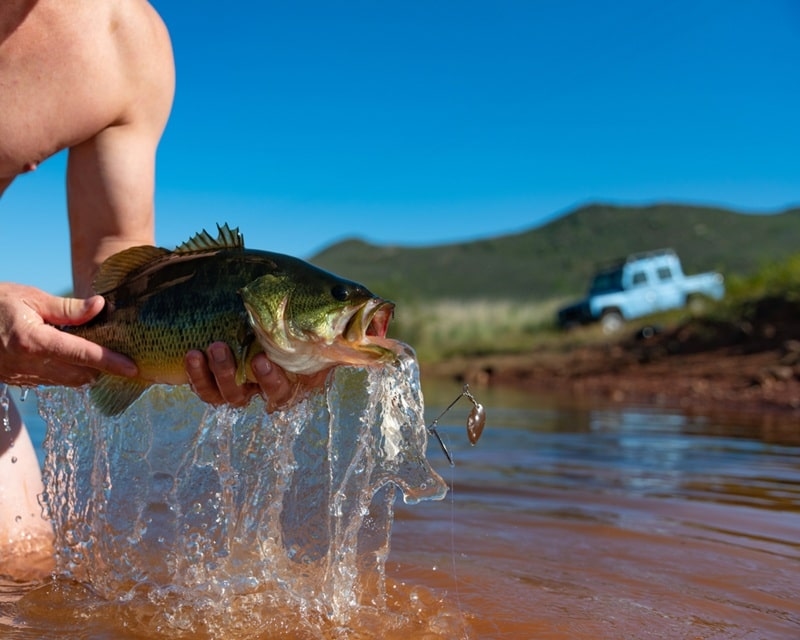
Seasonal bass fishing affects where bass position themselves throughout the year.
Understanding seasonal bass fishing patterns helps avoid wasted casts.
Alright, you have the where and the when. Now, how do you actually catch them? These bass fishing tips are universal.
Beginners gain confidence by starting with simple waters.
Good starter bass fishing locations include
Local bait shops and maps help identify structure and typical largemouth bass habitat. Seasonal bass fishing rules guide timing and location choice. Once patterns are learned, they can be applied across most bass fishing spots in the USA.
Bass fishing locations shape every cast more than gear or bait. Skilled anglers study wind, shade, depth, and structure before casting their lines. While bass fishing spots in the USA change with pressure and weather, habitat rules remain steady. Learning these patterns builds skill, trust, and long-term success.
You don't always need a famous lake. Some of the best bass fishing spots in the USA that anglers find are hidden. State fishing websites often have public access maps. Could you look for reservoirs managed by the local power company or the Army Corps of Engineers? Even large farm ponds can hold giant bass, always with permission, of course. The search is part of the fun, turning any new water into a personal puzzle to solve.
Bass fishing locations matter more than luck or gear. Understanding habitat, seasons, and water features helps anglers fish smarter. The best bass lakes and reliable bass fishing spots in the USA reward those who prioritize location first and apply proven bass fishing techniques with patience.
Many anglers vote for the spring prespawn and spawn periods. Bass are shallow, aggressive, and easier to locate, making it a fantastic time for both numbers and size.
A simple plastic worm rigged Texas-style is incredibly effective. It's weedless, can be fished at any depth, and catches bass year-round in almost any largemouth bass habitat.
Not at all. Shore fishing can be incredibly productive. Focus on piers, docks, points of land, and any accessible cover. Many of the best bass lakes have excellent fishing piers and walking trails.
In muddy water, use noisy, vibrating lures with strong contrast, like black and blue. In clear water, natural colors and a lighter line are key, and you might need to cast farther from your target.
This content was created by AI