

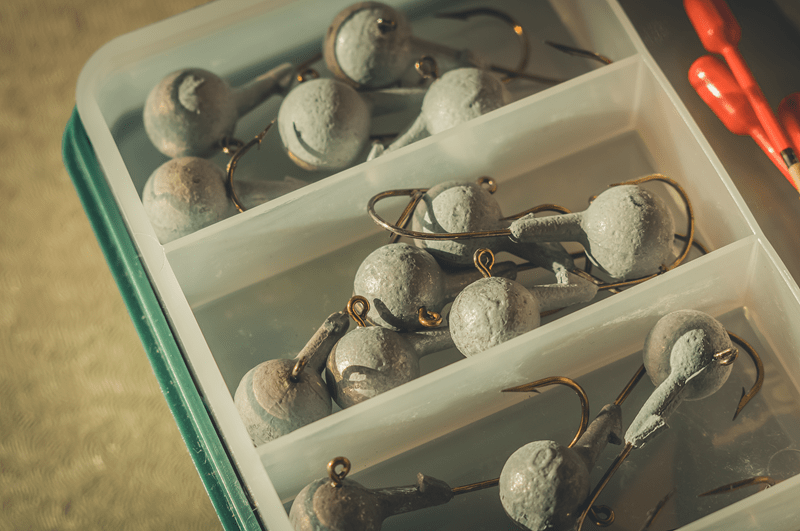
Choosing the correct hook has the potential of simply making the difference between no catch and a great one. The majority of fishermen have a hard time understanding the numbers, the figures, and the characters; in this way, fish hook sizes are quite confusing at the beginning.
This manual focuses on the basics and is quite helpful in achieving the goal of matching the fish, bait, and fishing style with the right hook.
Hook size is a major determinant of how a fish will take the bait and how long it will be able to hold on to the hook. Sometimes, a very large hook can scare fish off; at the same time, if a very small one is used, it may easily be bent, or the holder will not be able to properly set it. Hooking ratios, lost fish, and different situations by means of fishing will all be improved if fishermen are knowledgeable about fishing hook sizes.
Moreover, hook size has a great impact on the overall look of the bait. Usually, the natural movement of the bait is very much dependent on a hook that is made for that particular bait and not for overpowering it.
The method of assigning numbers to hook sizes may be somewhat confusing, as it works with reverse logic. The standard sizes go from small numbers to bigger ones, and then “aught sizes” come into play.
Numbering of small hooks includes values such as 32, 24, 16, and 10. In this case, the number is inversely proportional to the size of the hook, meaning that the lower the number, the larger the hook. Aught sizing takes over from size one, and examples of such sizes would be 1/0, 2/0, 5/0, and so on. The larger the aught number, the larger the hook.
Different fishing circumstances come along with different needs for the hook design. Knowing the types of hooks fishing anglers commonly use will help you choose the right style more quickly.
The J-shaped situation of the hook is what makes it the most recognizable to us. They are very effective for use with the mentioned baits and also for general fishing. Hook setting done in the traditional way is the only method to get a successful sting with these.
Since they are especially designed to be implanted in the corner of the mouth, circle hooks are very much in demand among catch-and-release practitioners. They lessen the number of deep hooking instances and are thus very efficient only when the fish is allowed to take the bait on its own.
They are the ones that offer three sharpened points on the same hook idea and, therefore, are mostly found on lures. They raise the possibility of hooking a fish, but the process of hook removal becomes more difficult; thus, it is not the preferred choice for all species.
They come with guards or certain bends by which they are enabled to remain free of snags even in heavy cover, and are the perfect companions for bass fishing in the vegetative places.
Aside from that, each one is prepared for a certain scenario; therefore, knowledge about hook types is an indispensable tool for attaining the desired results more often.
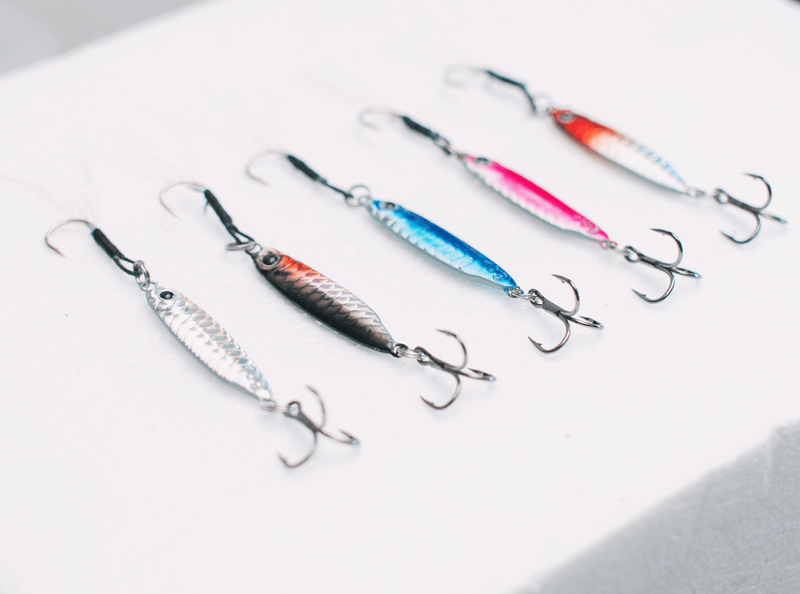
Basically, the decision regarding the correct kind of hook lies in determining what is going to be the target. A brief but very helpful species hook guide is there for you to make your choices with very little time.
Panfish such as bluegill and crappie will mainly necessitate very small hooks that correspond to tiny mouths. In turn, trout will be asking for light-wire hooks that will allow for a very delicate bait presentation. Medium - large size hooks will mostly be what bass will call for; however, it is largely dependent on lure or bait size. Catfish on the other side will most probably ask for tough, larger hooks to be able to handle strong mouths and heavier bait.
A bait and hook size are things that must go hand in hand. You cannot have a large hook fixing a tiny piece of bait and expect the fish to take it easily. At the same time, if your fish is big and you have a small hook, then it will be a disaster. So this is a place where a wise choice of hooks will really help.
A small bait, like a worm or a maggot, is advised to be used together with a thin wire hook. On the other hand, a minnow or a chunk of fish used as bait will call for a stronger hook with a wider gap. A soft plastic bait will preferably be an offset or a worm hook, which will help you rig it properly and neatly.
You can greatly benefit from the use of a hook size chart when you change the type of fish you are aiming for, start to use different baits, or fish in new waters. With such charts, the anglers can easily compare the styles and size of the hooks and make a decision fast and with confidence.
So an angler will have a chart either in his box or a fishery journal with an installed app. After some time, when an angler has a lot of experience and has learned a lot, he will seldom use the chart, but it will still be there as a backup.
One of the most excellent practical tips for selecting a hook is to regularly assess your current rig and make small adjustments that will increase your hookups. Put here your hook selection thoughts:
Constantly employing these hook selection tips will not only increase your success rate but also lower the amount of the "grunt work" on the water.
People often mistake that large fish always need large hooks, which is not necessarily the case. Most times, big fish are caught with small hooks used together with proper bait. Another mistake that most people commit is that even when fishing near cover, they do not think of the strength of the hook that they are going to use, and hence, bring the weakest ones.
Also, on the same note, if the hook point is not sharp, then this will mean that it is barely of any use, even though it is the right size. This is because even the most perfect fishing hook sizes will do you no good if the point is not sharp.
Hooks are small in size, but they have a very significant impact. It is possible to increase your hook-ups in a very substantial way just by learning the working of fishing hook sizes, referring to a clear hook size chart, knowing which hook types to use for different fishing scenarios, and using a trustworthy species hook guide.
The right hook choice leads to cleaner hookups, healthier fish, and more enjoyable fishing trips.
Beginners should use medium-sized hooks that are suitable for common species initially, and later, they can refine their choice by referring to a hook size chart as they become more skilled.
No. Many large fish take smaller hooks when paired with natural-looking bait and proper presentation.
Bait hooks are good when using a live or soft bait as they quite firmly hold the bait, mainly when you are throwing your line.
Change your hook size if fish are nibbling but not hooking up really, or in case you have changed your bait or target species.
This content was created by AI