

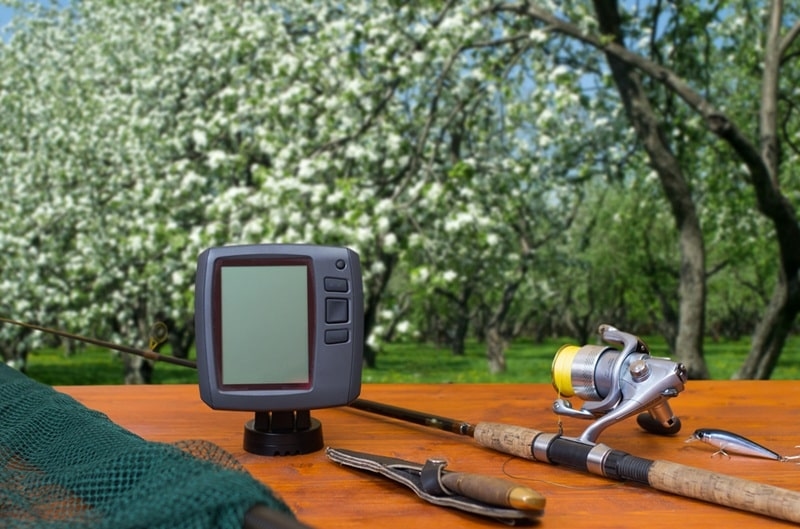
There was a time when fishing meant pure instinct. Watching birds. Feeling wind shifts. Guessing where fish might hide. And it worked, most days anyway. But now? Technology sits right on the boat, glowing on the screen, helping anglers make quicker and smarter decisions. It doesn’t replace instinct, but it makes the learning curve easier. Almost comforting, actually. When you aren’t sure what’s happening underwater, your device whispers, “Relax, here’s a clue.”
That’s why learning fish finder basics makes such a difference. Once you understand how to read the screen without overthinking it, everything becomes… well, clearer. You stop drifting around hoping for luck and start moving with purpose. And that feeling is addictive.
So let’s break it all down. No tech jargon. No confusing engineering talk. Just simple guidance anyone can use, whether it’s your first fishing trip or your five-hundredth.
A fish finder looks high-tech, but it’s honestly simpler than people assume. It sends sound waves into the water. They bounce off things. The device reads the echoes and turns them into shapes and colours. And before you know it, you’re staring at a screen thinking, “Wait, are those fish?”
This is where sonar interpretation matters. Not staring at the display for too long. Not panicking when a blob appears. Just understanding general patterns. Fish often show up as arches or clusters, depending on the brand. Structure looks solid. Plants look messy. The bottom looks like a thick line.
And yes, it takes practice. Everyone messes up at first. Even pros misread screens sometimes. But give it a few trips and your confidence grows.
Imagine shouting into a canyon and hearing your voice bounce back. That echo carries clues about distance and space. Sonar does the same thing underwater. It sends a pulse, waits, then measures the return signal.
Shallow water gives quicker returns. Deep water takes longer. Fish give lighter, thinner reflections. Rocks give heavy ones. Over time, you’ll spot patterns without trying too hard.
The trick is to avoid staring at just one spot. Keep scanning. Let the device paint an ongoing picture as the boat moves. It’s like watching a story unfold underwater.
A depth finder is the part of your device that tells you how deep the water is. Simple, right? But it’s also one of the most underrated features. When you start paying attention to depth changes, you’ll notice something interesting: fish follow structure and movement. They like drop-offs. Ridges. Ledges. Sudden dips.
So when your screen jumps from 8 feet to 20 feet, don’t ignore it. Fish love those edges. Once anglers understand depth finder use, they realise they weren’t fishing the wrong bait. They were simply fishing the wrong depth.
Sometimes the difference between catching nothing and catching a full limit is shifting twenty feet to one side. Frustrating? Yes. But kind of funny once you get used to it.
If you’ve ever looked at a fish finder and thought, “I have no idea what I’m seeing,” trust me, you’re not alone. Every beginner feels that way. But spotting fish becomes easier when you match the picture with real-world behaviour.
Certain clues help. Suspended shapes in the middle of the screen often indicate schooling fish. Tight clusters near the bottom might be bait or small predators. Lone icons sitting off structure could be something bigger.
Learning locating fish techniques isn’t about perfection. It’s about reading the story the sonar is trying to tell you. And honestly, half the fun is trying to decode it.
Fish love structure. It protects them, feeds them, and helps them hide from larger predators. That’s why anglers who chase structure usually catch more fish than those chasing open water.
Your device will show structure as solid shapes. Sometimes sharp. Sometimes soft. But always distinct. Look for logs, rocks, brush piles, drop-offs, and even artificial reefs. The more time you spend near structure, the more chances you have at finding fish that are ready to strike.
And here’s a tip many beginners overlook: fish don’t always sit on the structure itself. Sometimes they hover a little above it. Or just beside it. Your sonar will reveal that if you pay attention to the spacing.
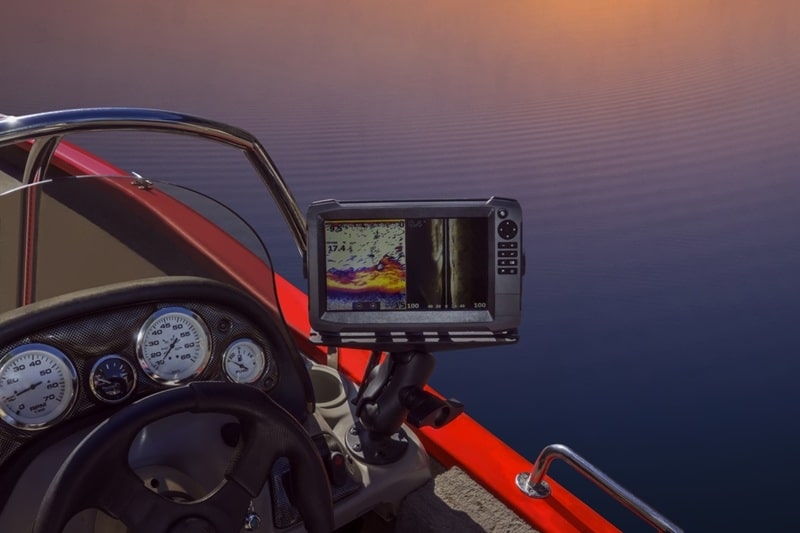
Not every angler wants to read thick manuals or watch hours of tutorials. So here are a few simple electronics fishing tipsthat make the learning curve smoother:
Little habits like these make the device more accurate. And accuracy means confidence.
A lot of people think they need expensive gear to get results. Not true. Even basic, entry-level models help anglers understand the underwater world better than any guesswork. What matters is learning beginner sonar principles consistently.
Start by adjusting brightness so you can read the display in sunlight. Then learn your colour palette. Some people prefer strong contrast. Others like softer tones. There’s no right answer. Just whatever helps your eyes understand the picture.
And don’t get discouraged when things look confusing. Everyone feels lost at first. But once it clicks, it really clicks.
One of the biggest mistakes is assuming the device does everything automatically. It doesn’t. The angler still has to think. Another mistake is using the wrong frequency for the wrong depth. High frequencies are clearer but don’t reach deep. Lower frequencies go farther but show less detail.
Also, avoid placing blind trust in the screen. Some days fish show perfectly. Other days they’re hugging the bottom so tightly that the sonar blends them in. Trust your instincts too. Tech helps, but it isn’t everything.
Your boat’s movement creates the picture. If you stay still too long, the screen stops updating. It feels like watching a paused video. Slow drifting or gentle trolling helps your device fill the story continuously.
Some anglers even zig-zag across the water to cover more space. They map shallow areas, deep pockets, and everything in between. It’s like underwater exploring without getting wet.
Once you find a promising area, drop anchor or slow your drift. Cast near structure. Watch the screen. Adjust. Repeat. Fishing becomes almost a rhythm.
Even with fancy electronics, anglers still rely on their gut. Birds diving on bait. Sudden splashes. Shifts in wind. Cloud cover. All these clues still matter.
Your device is a tool, not a magic wand. The fun part is blending tech with intuition. When both work together, fishing becomes a whole different experience. You start catching on purpose, not by accident.
Yes, but the readings may be more sensitive. Lower speeds and correct sensitivity settings help you get cleaner signals in shallows.
Not at all. Even affordable models work well when you learn proper sonar interpretation and understand basic scanning habits.
Slow speeds give clearer readings. Quick movements create blurred or incomplete data, especially when learning depth finder use.
This content was created by AI