

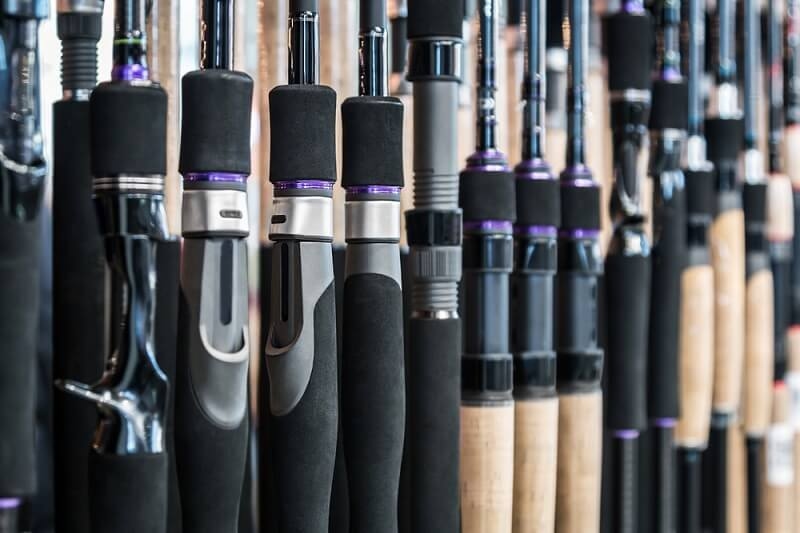
Fishing rod selection decides how easy or hard a day on the water feels. Here’s the thing: many people blame bait or reels when the rod is the real issue. A brilliant fishing rod selection begins with understanding a rod power guide, knowing the rod action explained in plain terms, and matching rods to the type of water. Freshwater rods and saltwater rods behave very differently. Beginner rod tips help avoid mistakes that waste money and time. What this really means is the right rod makes fishing calmer, safer, and more fun.
Fishing rod selection shapes every cast and hook set. A rod that feels wrong causes missed fish and tired arms. A rod that fits the job feels natural.
Good fishing rod selection helps with
Many problems come from ignoring rod power guide basics or misunderstanding rod action explained on labels. Freshwater rods and saltwater rods are built for different stress levels. Beginner rod tips always start with matching the rod to the target fish, not guessing.
The rod power guide tells how much force a rod can handle. Power refers to strength, not flexibility. It matters when fighting fish.
Common rod power guide levels include
Fishing rod selection improves when the rod power guide matches the fish size and lure weight. Using heavy rods for small fish feels stiff. Using light rods for considerable fish risks breakage. Beginner rod tips often recommend medium power as a safe start.
Rod action, explained, means where the rod bends. Some rods bend near the tip; others bend deeper.
Basic rod action types include
A clear explanation of rod action helps with timing. Fast-action rods react quickly and are suited for hooks that require firm sets. Slow-action rods absorb shock better. Fishing rod selection becomes easier when the rod action matches the fishing style. Many freshwater rods favor fast or moderate action.
Freshwater rods are designed for use in lakes, rivers, and ponds. They are lighter and more sensitive.
Freshwater rods often work well for
Freshwater rods typically prioritize sensitivity over strength when selecting a fishing rod. The power rating of a freshwater rod will normally fall between light, medium, and medium-heavy. Beginner rods will recommend using freshwater rods as an introduction to fishing before progressing on to more advanced types of rods.
Saltwater rods are designed to handle larger fish and harsh conditions. They are built stronger and resist corrosion.
Saltwater rods are designed for
Fishing rod selection for saltwater must consider durability. Rod power guide ratings often lean medium-heavy to heavy. Rod action, typically explained in terms of saltwater fishing, usually favors moderate action to handle sudden runs. Using freshwater rods in saltwater frequently leads to damage and failure.
Rod length affects casting distance and control. Longer rods cast farther. Shorter rods offer precision.
Typical rod lengths include
Fishing rod selection improves when the length matches the environment. Shore anglers often choose longer rods. Boat anglers may prefer shorter ones. Beginner rod tips usually suggest medium-length rods for versatility.
Beginner rod tips save money and frustration. New anglers often buy rods that are too strong or too weak.
Helpful beginner rod tips include
Fishing rod selection becomes smoother when beginners keep things simple. Freshwater rods offer easier learning curves than saltwater rods. Skill grows faster when the equipment feels forgiving.
Every rod lists the recommended lure weight. Ignoring this causes poor casting.
Matching lure weight matters because
Rod power guide ratings include lure ranges for safety. Rod action, which is also explained, affects how lures move through the water. Fishing rod selection improves when lure weight, rod power, and action work together.
Rod and line must match. Heavy line on light rods causes stress. A light line on heavy rods reduces control.
General matching rules include
Freshwater rods often use lighter lines. Saltwater rods are designed to support heavier lines, which is necessary for targeting larger fish. Beginner rod tips always suggest checking rod labels before spooling line.
Rod material affects feel and price. Most rods are made from graphite, fiberglass, or a combination of both.
Common materials include
Fishing rod selection benefits from graphite for freshwater rods. Saltwater rods often use composite builds for strength. The rod action explanation remains consistent regardless of the material, although the feel may change.
Some anglers carry many rods. Others carry one. Both approaches work.
Single-rod benefits include
Multiple rod benefits include
Beginner rod tips suggest starting with one rod. Fishing rod selection evolves as experience grows. Freshwater rods often cover multiple techniques with a single setup.
Good care extends rod life. Neglect shortens it fast.
Basic care steps include
Saltwater rods need extra rinsing. Freshwater rods still benefit from drying. Fishing rod selection lasts longer when care becomes a habit.
Mistakes happen often. Avoiding them saves frustration.
Common errors include
Beginner rod tips aim to reduce these mistakes. Fishing rod selection improves with patience and learning.
Right rods improve timing and control. Hook sets become cleaner. Fish landings increase.
Fishing rod selection affects
Rod power guides and rod action explained help rods work with anglers, not against them. Freshwater rods and saltwater rods perform best when used as intended.
Fishing rod selection shapes every fishing trip more than most expect. Using a clear rod power guide, understanding rod action, and choosing between freshwater rods and saltwater rods make fishing easier. Beginner rod tips help you avoid mistakes and build your skills. The right rod improves comfort, control, and confidence.
Medium power works well for many fish and situations.
Both matter, but rod action explained helps control hook setting and lure feel.
Not recommended; saltwater rods are better suited to handle corrosion and stress.
One versatile rod is enough to start and learn the basics.
This content was created by AI