


Setting up your tackle box correctly is the most important thing you do before hitting the water. A messy box leads to missed fish and lost time. A good one makes fishing fun and straightforward. This guide gives you the best tackle organization tips and shows what goes into a beginner tackle box. We will talk about essential fishing gear and bright tackle storage ideas. Let's make your next trip easier.
Here’s the thing: a great tackle box setup is not about having the most stuff. It is about having the right things in the right place. What this really means is planning for the fish you want to catch. A bass box looks different than a trout box. But some fishing tools are helpful for everyone. We will break it all down.
A tackle box setup is not about carrying everything. It’s about holding the right things. When gear stays organized, fishing time increases. When tools are easily accessible, mistakes decrease. A clean setup also protects hooks, lines, and hands.
Benefits of a good tackle box setup include
Tackle organization tips are helpful for both beginners and experienced anglers. Poor tackle storage causes tangled lines and broken hooks. A solid setup avoids those minor problems that ruin a calm trip.
Not all tackle boxes work the same. Size, compartments, and portability are key considerations. A beginner tackle box should feel light and simple, not crowded.
Common tackle box styles include
For a beginner tackle box, fewer compartments work better. Too many sections create confusion. Tackle storage should match the fishing style and trip length. Shore fishing needs less gear than boat fishing. A balanced tackle box setup grows slowly over time.
Essential fishing gear forms the base of any setup. These items are compatible with various water types and fishing styles.
Core essential fishing gear includes
These items support many rigs. Without them, fishing stops fast. A tackle box setup without basics often leads to wasted trips. Keeping essential fishing gear in labeled sections improves speed and safety.
Fishing tools help fix problems on the water. They save time and prevent injuries. Every tackle box setup should include a few simple tools.
Important fishing tools include
Fishing tools should stay easy to reach. Sharp tools should be stored safely. Tackle organization tips often suggest placing tools in the top sections or side pockets. Proper tackle storage keeps tools dry and rust-free.
Here’s the thing. An organization only works when it feels natural. Over-sorting creates more mess later. Simple systems work best.
Helpful tackle organization tips include
A tackle box setup should allow quick access. When gear stays visible, items are used more often. Tackle storage works best when sections are not overfilled. Space prevents tangles.
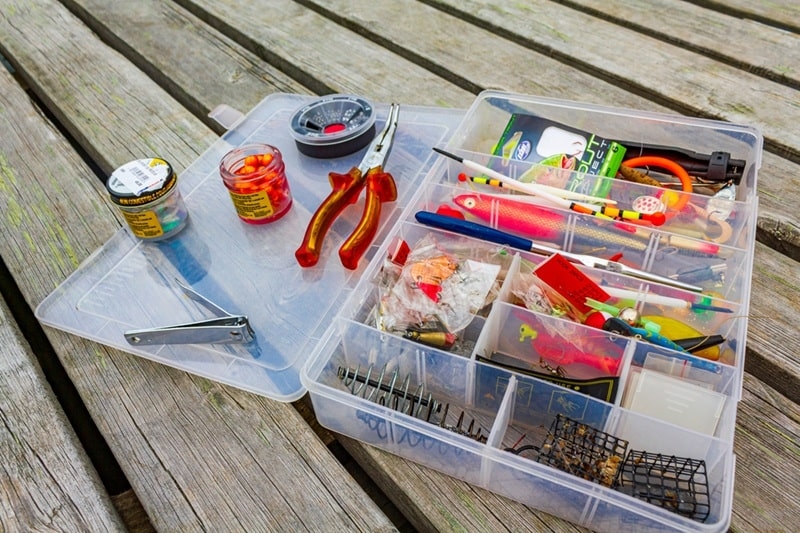
A beginner tackle box should stay basic. New anglers often carry too much. That leads to stress and wasted time.
A simple beginner tackle box may include
This setup supports learning without distraction. As skills grow, gear can expand. Many tackle organization tips suggest removing unused items after trips. That keeps the tackle box setup clean and helpful.
Lures and baits need special care. Poor tackle storage damages them quickly. Soft plastics melt when mixed. Hard lures tangle when loose.
Good tackle storage for lures includes
A tidy tackle box setup protects gear and saves money. When lures stay in good shape, they last longer. Tackle organization tips often recommend checking boxes after trips to remove moisture.
Different fishing styles need different setups. One box rarely fits all.
A flexible tackle box setup adjusts to conditions. Carrying only the needed gear improves focus and comfort.
Maintenance keeps the gear working. Tackle storage should be checked often.
Simple maintenance steps include
Fishing tools last longer when cleaned and dried. A clean tackle box setup shows respect for gear and safety. Small habits prevent bigger problems later.
Many anglers repeat the same mistakes. Avoiding them saves time and money.
Common errors include
A beginner tackle box should stay simple. Tackling organizational tips only works when followed consistently. Good tackle storage reduces stress and improves confidence.
A clean tackle box setup leads to smoother fishing. When gear stays organized, time stays focused on the water. Quick lure changes increase chances. Safe fishing tools reduce injuries. Essential fishing gear stays ready for changing conditions. These small benefits accumulate over the course of every trip.
A well-organized tackle box setup requires some attention to detail. After a trip, especially in saltwater, open your box and let it air out. Dry any lures that got wet to prevent rust. Check your hooks to see if they are still sharp. A dull hook will not catch fish well. You can sharpen them with a small file.
Go through your boxes once a season. Take out any lures you never used. Consider donating them to a beginner's tackle box for a child. Could you finish your stock of weights and hooks that you used up? This yearly check-up keeps your essential fishing gear in top condition and ready for use. Adequate tackle storage is an ongoing process, not a one-time task.
A smart tackle box setup keeps fishing enjoyable and straightforward. Using clear tackle organization tips, basic essential fishing gear, and safe tackle storage helps every angler stay prepared. A beginner tackle box works best when kept light and clean. The right fishing tools and habits make each trip smoother.
A simple plastic box with two or three removable trays is ideal. It is inexpensive, easy to carry, and lets you see all your gear at once.
Please give it a quick look after every trip to dry out the items. Conduct a complete reorganization at least once per fishing season to remove outdated gear and add new equipment.
Absolutely. Plastic food containers, pill organizers, and even egg cartons can work great for sorting small hooks and sinkers in a pinch.
A quality pair of needle-nose pliers. They are crucial for hook removal and handling fish safely, making them the most essential fishing tool in your box.
This content was created by AI